Cancún car rental guide: avoiding the insurance scam
Is renting a car in Cancún a good idea, and what is the insurance scam?
A car is great for cenotes, ruins and the Yucatán interior, but the headline online price is a trap. Mexican law requires third-party liability insurance (SLI), which cheap brokers leave out, so a '5 USD/day' car becomes 40–60 USD/day at the counter. Book a rate that already includes mandatory insurance, decline only the optional extras, and expect to pay roughly 600–1,200 MXN/day all-in.
Renting a car in Cancún unlocks the best of the region — cenotes, Cobá, Chichén Itzá, Valladolid, quiet beaches — that buses reach awkwardly or not at all. But car rental here has a deserved reputation for a bait-and-switch on insurance. Understand that one issue and the rest is straightforward.
At a glance
| Best for | Cenotes, Chichén Itzá, Cobá, Valladolid, a Yucatán road trip |
| Cost (all-in) | around 600–1,200 MXN/day including mandatory insurance |
| Time needed | rent only for the 2–3 days you drive inland, not the whole trip |
| Pick-up | Cancún airport or Hotel Zone/downtown offices |
| Best time to drive | dry season (winter) for easiest roads; avoid night driving year-round |
The insurance “scam,” explained
This is the single thing to get right. Mexican law requires every driver to carry third-party liability insurance (SLI / seguro de responsabilidad civil). Many online brokers and comparison sites advertise sensational rates — sometimes “1 USD/day” — that exclude this mandatory cover. When you arrive at the counter, you cannot drive off without it, so the agent adds SLI plus often-pushy upsells, and your cheap rental balloons to 40–60 USD/day.
It is not technically illegal, but it is deeply misleading. How to beat it:
- Book a rate that explicitly includes mandatory third-party liability in the total. Read the inclusions, not just the headline.
- Expect a realistic all-in price of roughly 600–1,200 MXN/day (~35–65 USD) for a small car including the required insurance.
- Your credit card’s rental collision coverage (CDW) may cover damage to the rental, but it does not replace Mexican third-party liability — you still must buy SLI locally.
- Decline genuinely optional extras (extra personal-accident cover, roadside packages) only if you understand what you are waiving.
Choosing a company
Use well-known agencies (the international names, or reputable local ones at the airport and Hotel Zone). The cheapest no-name online deals are where the worst counter surprises happen. Read recent reviews specifically about counter upselling and fuel/deposit disputes.
Hold deposit: rentals block a sizeable amount on your credit card (often 5,000–20,000 MXN). Use a card with room and budget for the hold.
The walk-around (do not skip this)
Before driving off, document everything:
- Photograph and video every scratch, dent and the wheels with the agent present.
- Note the fuel level and the policy (usually full-to-full: return it full or pay inflated station prices).
- Confirm there is a spare tyre, jack and the registration papers in the glovebox.
- Get the agent to mark all existing damage on the contract. This prevents invented damage charges at return.
Driving in the Yucatán
It is genuinely easy:
- Roads are mostly flat, straight and well-paved on the main corridors.
- Toll road (cuota) to Mérida/Chichén Itzá: fast but pricey — the Cancún–Mérida toll totals several hundred pesos; carry cash, as not all booths take cards.
- Topes (speed bumps) appear suddenly entering towns — slow right down.
- Avoid night driving on rural roads (unlit, animals, unmarked topes).
- Pemex/licensed fuel only: insist the pump reads zero before fuelling, watch the attendant, pay cash to avoid card skimming, and tip ~10–20 MXN.
Police, checkpoints and parking
- Military/police checkpoints are routine — be polite, slow down, have your passport and rental papers ready.
- If stopped for an alleged infraction, you can politely ask for the official fine and to pay at the station rather than on the spot; most stops are uneventful.
- In towns use guarded car parks (estacionamiento, ~20–40 MXN/hour or a flat daily rate). In the Hotel Zone many hotels charge for parking.
Returning the car without a fight
Returns are where the second wave of disputes happens. Protect yourself:
- Return the tank full with a fresh fuel receipt, and keep it.
- Do another photo/video walk-around at drop-off, with the agent, matching your pickup footage.
- Get a signed document or email confirming no new damage and that your deposit hold will be released.
- Return during staffed hours, never via an after-hours drop box where you cannot dispute invented damage.
- Check your card statement afterwards for surprise charges, and dispute promptly with your photos if any appear.
Where to pick up
You can rent at the airport (convenient on arrival, but counters are busy and the upsell pressure is highest) or in the Hotel Zone / downtown (sometimes calmer, and you avoid paying for a car on days you don’t drive). A common smart play: skip the car for your beach/Hotel Zone days, then rent in town for the two or three days you actually explore cenotes and ruins. That trims both the rental days and the parking headaches.
Cost breakdown to expect
A realistic all-in day looks like:
- Car + mandatory insurance: ~600–1,200 MXN/day.
- Fuel: Pemex petrol is sold per litre; a day of cenote/ruin driving might use 300–500 MXN.
- Tolls (cuotas): the fast road toward Mérida/Chichén Itzá adds several hundred pesos round trip.
- Parking: ~20–40 MXN/hour in towns, or a flat daily rate.
- Deposit hold: 5,000–20,000 MXN blocked on your card, released after return.
Budget the insurance and tolls honestly and the rental stays good value versus repeated tours.
When a car is and isn’t worth it
- Worth it: cenotes, Cobá, Chichén Itzá, Valladolid, Río Lagartos, hidden beaches, a Yucatán road trip.
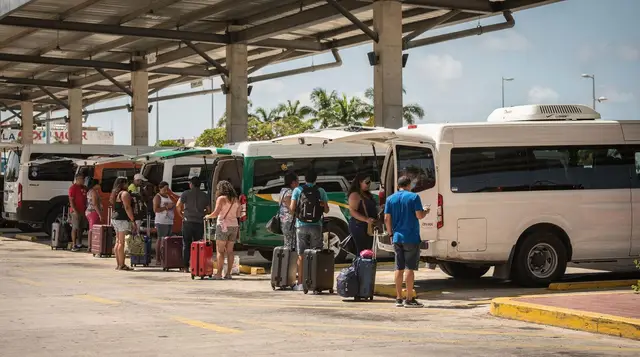
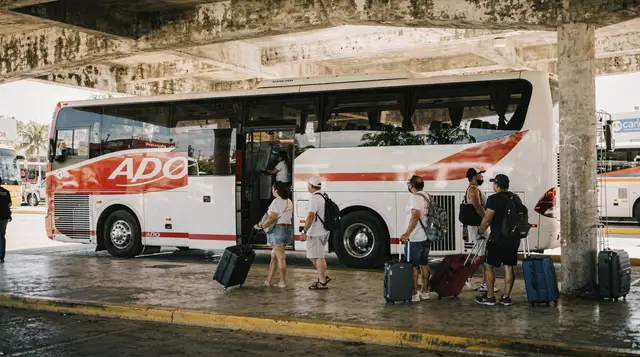
- Not worth it: staying put in the Hotel Zone or doing the Cancún–Playa–Tulum corridor, where colectivos and ADO are cheaper and parking is a hassle. Consider renting only for the days you actually explore inland.
Renting for a Yucatán road trip
If you’re going beyond a single day trip — say a loop through Valladolid, Ek Balam and Mérida — the calculus changes slightly. Multi-day rentals often carry a lower per-day rate than single-day bookings, and you avoid repeatedly paying pick-up/drop-off fees. Plan overnight stops in towns with guarded hotel parking, since street parking overnight is not worth the risk to save 100 pesos. Fill the tank the evening before an early ruins visit — small-town Pemex stations can have lines or run low by afternoon.
One more Yucatán-specific quirk: mobile signal drops out between towns on the free (libre) roads, so download offline maps before you leave Cancún, and keep a paper note of your hotel’s address and phone number in case you need to ask for directions.
Alternatives if you’d rather not drive
A rental isn’t the only way to reach the interior. ADO buses connect Cancún to Valladolid and Mérida reliably and cheaply, and organized day trips handle Chichén Itzá or Cobá and its cenotes without any of the insurance hassle above. If your main goal is the best cenotes near Tulum rather than a full road trip, a colectivo or organized tour can be less stressful and similarly priced once you count insurance, tolls, and fuel.
Planning your driving days around the sights
A car pays for itself when you string several stops into one day instead of paying for separate tours. Start early, because the ruins are most pleasant before the heat builds, and finish with a swim. If you’d rather not drive that far inland, a guided Río Lagartos, Ek Balam and cenote tour covers the loop for you. A classic combination is Cobá in the morning followed by a cooling dip at one of the best cenotes in the Riviera Maya, with time left to wander back along the coast. Another is a long day toward Chichén Itzá with a lunch stop in Valladolid, which breaks up the drive nicely.
If you are not sure how many days to spend inland, the Cancún cenotes and ruins four-day itinerary shows how to group the stops so you only rent a car when it actually saves you time. For a longer loop, the Yucatán ten-day road trip is the natural companion to this guide, and it is where multi-day rentals make the most sense.
Picking up at the airport versus heading straight to your hotel
Arriving tired after a flight is exactly when the upsell pressure feels hardest to resist. If your hotel is close, consider reading about the transfer from Cancún airport to the Hotel Zone first, settle in, and collect the car the next morning when you are rested and can read the contract slowly. Rushing through paperwork on arrival is how people end up agreeing to extras they did not want. If you want to skip the counter on day one, a private airport transfer to the Hotel Zone gets you to your hotel without any pressure.
Where you sleep also affects whether a car is worth it. Staying in the Hotel Zone means parking is often an extra charge and you can reach most beaches without driving, while a base in Playa del Carmen or Tulum puts you closer to the cenotes and ruins from the start. If you are still deciding, where to stay in Cancún helps you weigh convenience against the cost of parking.
Reading the contract before you sign
Take a few quiet minutes with the paperwork rather than signing wherever the agent points. Check that the total matches the price you booked, that mandatory third-party liability is listed as included, and that every optional line item is something you chose on purpose. Ask the agent to explain any abbreviation you do not recognise, and ask for the contract in a language you read comfortably. If the total has changed from your confirmation email, show the email and ask for the difference to be explained line by line. A reputable agency will do this patiently; a counter that gets irritated by simple questions is telling you something about how a dispute would go later.
Keep digital copies of your booking confirmation, the signed contract and your pick-up photos together in one folder on your phone. If anything is questioned at return or on your card statement, having everything in one place makes the conversation short.
Safety and common sense on the road
Driving here is routine for most visitors, and the real risks are the ordinary ones: tiredness, sudden topes and unfamiliar signs. Share the driving on long days, take a break when you feel your attention fading, and keep valuables out of sight when you park at a cenote or ruin. For a broader picture of the destination, read is Cancún safe and the general Cancún travel tips, both of which cover habits that apply just as well behind the wheel.
Weather matters too. During the stormy months the roads can flood quickly and plans change at short notice, so check the Cancún hurricane season guide before you lock in a long loop, and leave a margin in your schedule so you never feel pushed to drive in poor conditions. If you are travelling in the drier months, our guide to the best time to visit Cancún explains why winter is the easiest season for road trips.
Deciding between a car and the alternatives
Think of the rental as one tool among several rather than the default. For the Cancún–Playa–Tulum corridor, the Cancún to Tulum transport guide compares the options, and the Tulum day trip from Cancún shows what a single outing involves without a car. Families with small children may prefer the predictability of a car for naps and snacks, and the Cancún with kids guide has ideas for keeping shorter drives manageable.
Budget travellers should weigh the full cost of a rental, including insurance, tolls, fuel and parking, against buses and tours. The Cancún budget guide puts these choices in the context of a whole trip, and it often shows that renting for only a couple of days is the sweet spot. If you want an honest overview of how long to stay in the first place, how many days in Cancún is a good place to start.
Quick FAQ
- Do I need an International Driving Permit? Your home licence (in the Latin alphabet) is generally accepted; an IDP is a cheap, useful backup, especially if your licence is not in English or Spanish.
- Can I drive my rental into the Hotel Zone? Yes, but parking is limited and often paid, which is why many people skip the car for resort days.
- Is it safe to drive? On main highways, yes — it is routine. Avoid rural night driving, keep your papers handy for checkpoints, and respect the topes.
- Manual or automatic? Automatics exist but cost more and are fewer; book ahead if you cannot drive a manual.
- Toll or free road to Chichén Itzá? The toll (cuota) is far faster and smoother; the free (libre) road is slow and runs through many towns with topes.
- Do I need to rent for my whole trip? No — most visitors only need a car for the 2–3 days they explore cenotes, ruins or Valladolid; skip it for beach/Hotel Zone days and use ADO buses or colectivos instead.
- What happens if I decline all insurance and pay cash for damage? You can’t legally decline the mandatory third-party liability — it’s baked into a compliant rate. You can decline optional extras, but doing so on damage cover to the vehicle itself risks a large out-of-pocket bill if there’s an accident.
Bottom line
Cancún car rental is excellent value once you sidestep the insurance bait-and-switch: book a rate that already includes mandatory third-party liability, do a filmed walk-around, return the tank full, and carry cash for tolls and fuel. The cheapest reliable approach is an all-inclusive-insurance rate from a reputable agency for just the days you head inland.
Popular Cancún tours on GetYourGuide
Verified deep-linked GetYourGuide tours. Book through these links and we earn a small commission at no cost to you.
These are our own photographs of the area, not the operator's pictures of this tour — open the tour page to see those.