Things to do in Mérida: the Yucatán's cultural capital
Is Mérida worth visiting from Cancún?
Yes, if you want culture over beaches. Mérida is the Yucatán's safe, walkable colonial capital, about 3.5–4 hours from Cancún. Highlights are the Plaza Grande, the grand Paseo de Montejo, the excellent Gran Museo del Mundo Maya, the markets, and a packed calendar of free nightly music and dance. It's a base for Uxmal and cenotes too. It's too far for a comfortable day trip — give it at least two nights to make the journey worthwhile.
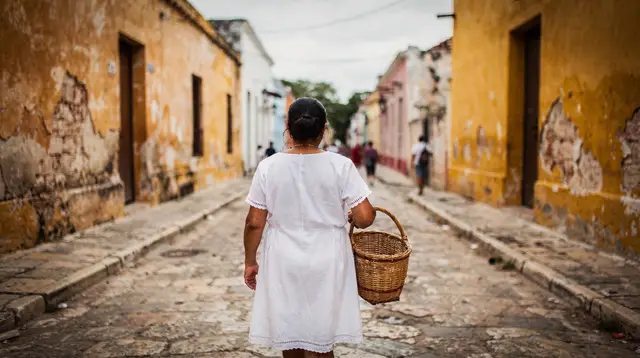
Mérida is the anti-Cancún: a real working city with a colonial heart, one of the safest in Mexico, and a culture program so generous it runs free events almost every night. It is the capital of Yucatecan food, music, and Maya heritage, and it rewards travelers who want substance over swim-up bars. It is also too far for a day trip — so the honest first point is to give it the time it needs.
| At a glance | |
|---|---|
| Where | Historic center around Plaza Grande and Paseo de Montejo, Yucatán |
| Cost | Free plazas and events; museums around 100-150 MXN; market meals around 90-150 MXN |
| Time needed | At least two nights, ideally three with a day trip |
| Getting there | ADO bus or the Maya Train from Cancún, around 3.5-4 hours; also flights |
| Best time | November to February for cooler evening events |
Plaza Grande and the colonial center
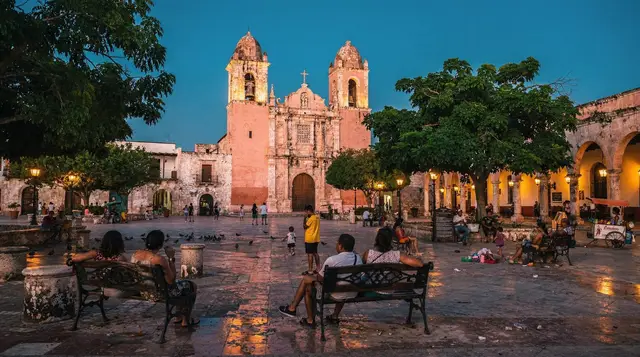
Start where the city does: the Plaza Grande (Plaza de la Independencia), shaded by laurel trees and ringed by the heavyweights — the Catedral de San Ildefonso (one of the oldest cathedrals on the American mainland), the Casa de Montejo (a 16th-century conquistador mansion you can tour for free inside), the Palacio de Gobierno with its dramatic history murals, and the Palacio Municipal. Most are free or a few pesos to enter, and the plaza itself is the social heart of the city, busiest and best in the evening.
Paseo de Montejo
Mérida’s grand boulevard, the Paseo de Montejo, was built in the henequen (sisal) boom of the late 1800s, when fortunes from “green gold” lined the avenue with French-style mansions. Walk or cycle it for the Casas Gemelas (twin mansions), the Monumento a la Patria (an enormous carved stone monument to Mexican history), cafés, and the Palacio Cantón, now an anthropology museum. On Sundays the city closes streets for Bici-Ruta, when locals cycle and stroll the Paseo car-free.
The free events calendar
This is Mérida’s real magic, and it is genuinely free. The city and state run cultural events nearly every night:
- Mondays — Vaquería folk dance with the jarana in front of the Palacio Municipal.
- Tuesdays — big-band and Remembranzas Musicales at Santiago park.
- Thursdays — Serenata Yucateca music and dance at Santa Lucía park.
- Saturdays — Noche Mexicana and the lively Corazón de Mérida street festival on the Paseo de Montejo.
- Sundays — Mérida en Domingo: the center closes to cars, with markets, music, and dance in the plaza.
Schedules shift, so confirm the week’s lineup with your hotel or the tourist office on the plaza — but on most nights, something free and worth seeing is happening within walking distance.
Museums worth your time
- Gran Museo del Mundo Maya — the standout: a modern, well-curated museum that frames the Maya as a living culture, not a dead one. Around 150 MXN; allow two hours. North of the center, a short taxi ride away.
- Palacio Cantón (anthropology museum) on the Paseo — smaller, in a gorgeous mansion.
- Casa Museo Montejo and the Museo de la Ciudad — free or cheap, central, good for a quick dose of history.
Markets and food
Mérida is the heartland of Yucatecan cuisine. Eat where locals eat: the Mercado Lucas de Gálvez (the big central market) and the loncherías around Santiago and Santa Ana plazas serve cochinita pibil, panuchos, sopa de lima, and more for 90–150 MXN a full meal. In the evening, marquesita carts work the plazas. For sit-down regional cooking there are excellent mid-range restaurants, but the market is cheaper, fresher, and more authentic — see the Yucatecan food guide for what to order.
Day trips from Mérida
Mérida is a hub, not just a destination:
- Uxmal — a magnificent, less-crowded Maya site about 80 minutes south, often paired with the Ruta Puuc sites and a sound-and-light show.
- Cenotes — the Cuzamá / Homún cenote ring east of the city is a classic half-day, with multiple swimmable cenotes.
- Celestún — flamingo lagoons and beach on the Gulf coast, about 90 minutes west.
- Izamal — the all-yellow “Magic Town” and convent, under an hour away.
Practical tips
- Getting there. ADO buses run from Cancún (3.5–4 hours), Playa del Carmen, Valladolid, and Tulum; the Maya Train also serves Mérida — see that guide for which station and how far it sits from the center. Flights connect Mérida’s airport to Mexico City and beyond.
- It’s not a day trip. At nearly 4 hours each way from Cancún, give Mérida at least two nights — ideally three, to fold in Uxmal and the free events. Cramming it into a day wastes the journey.
- Heat. Mérida is inland and hot, often hotter than the coast. Do sights early and late, rest or museum-hop midday, and carry water (tap water is not potable).
- Stay central. The historic center and the streets near Santa Lucía and Paseo de Montejo put you within walking distance of the plazas and the nightly events.
- Safety. Mérida is consistently ranked among Mexico’s safest cities, and the center is comfortable to walk in the evening — which is exactly when it is at its best.
When to go
Mérida is great year-round but the heat is the deciding factor. November to February is the most comfortable, with cooler evenings perfect for the outdoor events. March to May is hot and dry — punishing midday but fine if you pace yourself around cenotes and museums. The summer rainy months bring afternoon downpours that actually cool things off. Two special windows are worth planning around: Hanal Pixán (the Yucatecan Day of the Dead, late October to early November) when the city stages the Paseo de las Ánimas procession and altar displays, and Carnaval (just before Lent), one of Mexico’s livelier celebrations. Book ahead for either.
A simple two-day plan
Day one: start early at the Plaza Grande and its buildings, walk the Paseo de Montejo before the heat, break for a long market lunch and a midday rest, then catch whatever free evening event is on (Santa Lucía on Thursdays, the Palacio Municipal Vaquería on Mondays). Day two: out early to Uxmal or the Cuzamá/Homún cenotes, back for a late-afternoon visit to the Gran Museo del Mundo Maya, and a final evening on the plaza with marquesitas. That rhythm — sights and trips in the cool hours, museums and rest at midday, culture in the evening — is how locals and smart visitors handle the heat. For a day that mixes ruins with a swim, a Uxmal, cenote and chocolate museum tour fits the cool-hours rhythm well.
What to skip
Skip trying to “do” Mérida as a day trip from Cancún — the nearly four-hour each-way drive makes it a waste. Skip the touristy restaurants with English-only menus and dollar prices when the market two blocks away serves better food for a third of the cost. And do not over-schedule midday: the heat will defeat an ambitious noon plan every time. Mérida rewards a slower hand than the beach towns. If you’d rather skip the logistics, a full-day Uxmal and Kabah tour from Mérida covers the ruins without a rental car.
Give Mérida a couple of unhurried days and it reframes the whole Yucatán: not a backdrop to the beach, but the cultural capital the beach towns orbit around.
Pairing Mérida with the rest of the Yucatán
Mérida rarely stands alone in a trip plan. Many travelers combine it with Valladolid (a smaller, quieter colonial town closer to Cancún — see the Valladolid colonial guide) as two stops on an inland loop, often riding the Maya Train or ADO between them.
If your dates land in late October or early November, Mérida is one of the best places in the Yucatán to experience Hanal Pixán — see the Día de Muertos in the Yucatán guide for the calendar and etiquette. And for the bigger picture on why this culture feels different from central Mexico, the Maya culture in the Yucatán guide is the companion read to this one.
Getting the journey right
How you arrive shapes the first impression. The ADO bus guide for the Yucatán explains the long-distance coach routine, which is comfortable and straightforward for first-timers, while the Maya Train guide covers the rail option. For the wider picture of moving around the peninsula, including when a rental car makes sense and when it does not, the getting around the Riviera Maya guide is a useful companion. Inside Mérida itself you rarely need more than your feet and the occasional taxi, since the sights cluster close together.
If you are still deciding how Mérida fits with the rest of your trip, the Mérida destination page gives the overview, and the Cancún travel tips cover the practical basics you will want before leaving the coast: money, water, and general common sense.
How to spend an unhurried evening
The best Mérida evenings are not planned to the minute. Walk to the plaza as the heat softens, find a bench under the laurel trees, and watch the city arrive: families, couples, vendors, musicians. Whatever free event is on that night, treat it as the main course rather than a filler between dinners. Locals dance, sit, and talk, and visitors are welcome to do the same. Stay for the whole performance if you can; the pleasure comes from the pace, not from ticking a sight off a list.
Eat a light meal before you go, or snack as you wander, and leave room for a marquesita from one of the carts. After the event, walk back through the lit streets of the center rather than rushing to a taxi. This slow rhythm is the real reason people end up extending their stay by a night.
Choosing between Mérida and the coast
Mérida and the beach towns offer almost opposite experiences, and it helps to know which one you want on a given day. The coast gives you water, sand, and resort comfort; Mérida gives you architecture, food, music, and everyday Yucatecan life. If you are weighing how much of each to include, the Cancún vs Riviera Maya comparison helps you place the coast side of the trip, and the best time to visit Cancún guide helps you match seasons, since the heat inland and the weather on the coast do not always move together.
Many travelers find that a few inland nights make the beach days that follow feel better, not worse. You return to the coast having seen the culture behind the region, and the whole trip feels less like a package and more like a place you actually visited.
Combining Mérida with other stops
A few natural pairings are worth considering when you build the route:
- Izamal. The yellow town is an easy addition to a Mérida stay; see the Izamal destination page for what to expect.
- Valladolid. A calmer colonial stop that breaks up the journey back toward the coast; the Valladolid destination page covers it.
- Chichén Itzá. If you want the famous ruins on the way, the Chichén Itzá day trip guide explains the options and how to avoid the worst crowds.
- A longer loop. For a full inland and coastal route, the 10-day Yucatán road trip itinerary shows how Mérida fits into a wider circuit.
Travelling with a sensible mindset
Mérida is a friendly, easy city, but a few habits make it smoother. Carry small bills for markets and snacks, greet vendors and shopkeepers before asking for anything, and be patient when service is relaxed. If safety is on your mind, the Is Cancún safe guide covers the general approach to staying careful in Mexico, and the same common-sense habits apply here. Dress lightly but sensibly, wear comfortable shoes for cobblestones, and bring a hat for the middle of the day.
Frequently asked questions about Things to do in Mérida
Is Mérida safe to walk at night? Yes — Mérida consistently ranks among Mexico’s safest cities, and the historic center around Plaza Grande and Paseo de Montejo is comfortable and well-lit in the evening, which is exactly when the free cultural events happen.
How many days do you really need in Mérida? Two full days covers the plaza, Paseo de Montejo, a museum, and one day trip (Uxmal or the Cuzamá cenotes); three lets you also catch more of the nightly free-event calendar without rushing.
Popular Cancún tours on GetYourGuide
Verified deep-linked GetYourGuide tours. Book through these links and we earn a small commission at no cost to you.
These are our own photographs of the area, not the operator's pictures of this tour — open the tour page to see those.