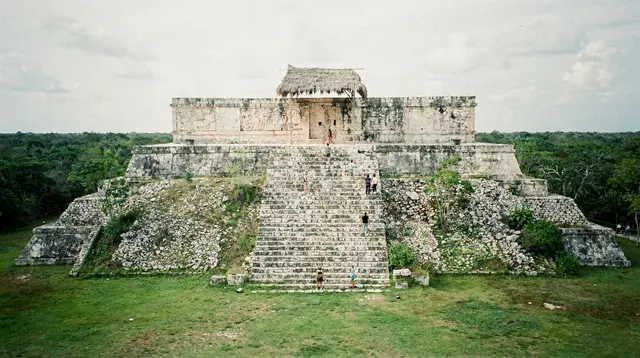
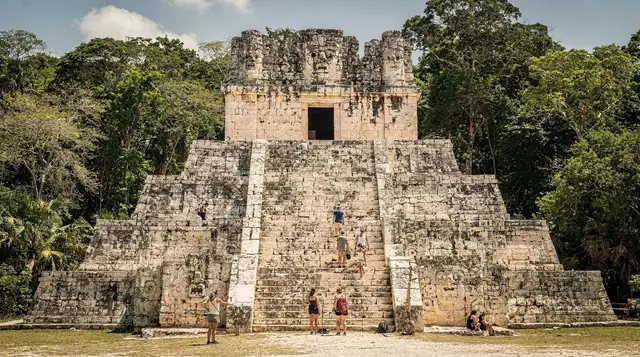
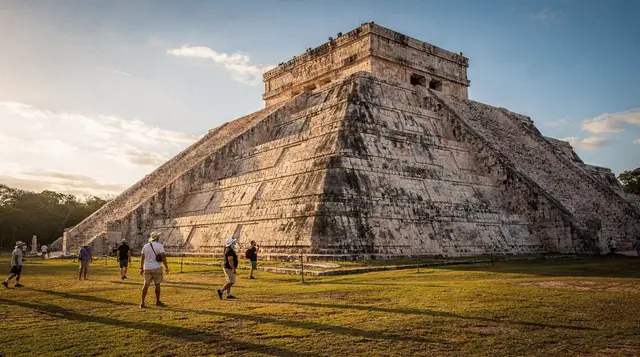
Valladolid is a small colonial city in the heart of the Yucatán, roughly halfway between Cancún and Mérida and just 45 minutes from Chichén Itzá. It’s a designated Pueblo Mágico — pastel facades, a big shaded plaza, swimmable cenotes right in town, and some of the best regional food in the region. For first-timers it’s the antidote to resort Mexico, and the single smartest base for exploring the inland ruins.
At a glance
| Where | Central Yucatán, roughly halfway between Cancún and Mérida |
| Cost | Guesthouse from around 300–700 MXN; boutique hotel around 1,200–2,500 MXN |
| Time needed | 1 night minimum; 2 nights to add Ek Balam and more cenotes |
| Getting there | ~2 hrs from Cancún by ADO bus or car; ~45 min from Chichén Itzá |
| Best time | December–April for dry weather; evenings year-round for the plaza |
Why base here instead of day-tripping
Here’s the case nobody at the Cancún resort desk will make: instead of a brutal pre-dawn round trip to Chichén Itzá, spend a night in Valladolid. The town is about two hours from Cancún by car or comfortable ADO bus, and only 45 minutes from Chichén Itzá and even closer to Ek Balam. Sleep here, and you can be at the ruins for the 8 am opening before the coastal tour buses arrive — beating both the heat and the crowds. The Chichén Itzá day trip guide walks through timing this from either Cancún or Valladolid.
It also breaks up the long inland drive into something you’ll remember, rather than six hours in a van for one monument. Even one night transforms the rhythm of a Yucatán trip.
The town itself
The action centers on the Parque Principal, the main plaza, anchored by the Cathedral of San Servacio. In the evenings the square fills with families, food carts, and the famous swinging “lovers’ chairs,” and the cathedral is lit up beautifully. A short walk southwest runs the Calzada de los Frailes, the prettiest street in town, leading to the 16th-century Convent of San Bernardino de Siena — worth seeing at night when it’s illuminated and sometimes hosts a light show.
It’s a genuinely walkable place. You don’t need a car to enjoy the town itself; you only want one (or a tour) for the surrounding ruins and outlying cenotes. If you’d rather skip the driving, a full-day Ek Balam and Valladolid tour covers both in one go.
Cenotes you can reach easily
This is where Valladolid quietly beats the coast. Cenote Zaci sits right in town — a large, partly open sinkhole you can swim in for a small fee (around 30 MXN). A short drive away, Cenote Suytun is the famous one, with a stone platform and a beam of light that draws Instagram crowds (go early, it gets busy and photos involve a queue). Cenote Oxman, on a former hacienda, has a rope swing and lush hanging vines and tends to feel less frantic. Entry to the bigger cenotes runs roughly 100–150 MXN, sometimes with a food-and-drink credit. For how these stack up against the coastal cenotes near Tulum, see the best cenotes in Riviera Maya guide.
Be honest about Suytun: the light beam only aligns at certain hours and times of year, and even then you’ll likely share the platform with a line of photographers. The swim is lovely; the perfect solo photo is not guaranteed. A private Ek Balam tour with lunch and Cenote Suytun is one way to pair the two without hunting for transport.
The food is the sleeper highlight
Yucatecan cuisine is distinct from “Mexican food” as most visitors know it, and Valladolid is one of the best places to eat it. Look for cochinita pibil (slow-roasted pork in achiote and bitter orange), lomitos de Valladolid (a local pork stew), panuchos and salbutes, and longaniza sausage. The market and the small fondas around the plaza serve it cheaply — a filling meal runs 80–200 MXN. Restaurants on the Calzada de los Frailes cost a bit more but rarely feel touristy.
For a deeper look at what to order and how the regional dishes differ from the tacos you may know, the guide to Yucatecan dishes is a good companion before you sit down at a market counter. Go hungry, order a couple of small plates to share, and let the cook tell you what is best that day. Eating where locals eat is the easiest way to get a feel for the town, and it keeps the meal relaxed rather than staged for visitors.
A walking day in town
If you only have an afternoon and an evening, start at the Parque Principal and let the town set the pace. Sit in the shade, watch the plaza fill up, then drift toward the Calzada de los Frailes for a slow stroll with a stop in the small shops and cafés along the way. Cenote Zaci makes a natural mid-day break, since the cool water is a relief after walking in the heat. Come back to the plaza at dusk, when the cathedral lights come on and the square gets its second life. None of this needs a plan, and that is the point: Valladolid rewards wandering more than ticking off sights.
Anyone curious about the people whose culture shaped this region will find useful context in the Maya culture in the Yucatán guide, which makes the old cenote, the colonial convent, and the nearby ruins easier to read as one story. The colonial Valladolid guide goes further into the streets, churches, and details that are easy to walk past.
Swimming with kids or a mixed group
Not every cenote suits every traveler. Some have deep, dark water and steep steps, while others are open and gentler. If you travel with children or with people who are nervous in the water, check the family-friendly cenotes guide before choosing, and bring life jackets if the site offers them. Families who want a wider plan for the region can look at the Cancún with kids guide for ideas that balance beach days and inland stops. Whatever the group, rinse off before you swim, wear reef-safe sun protection or none at all, and follow the signs at each site.
Getting around and money
- ADO buses connect Valladolid with Cancún, Playa del Carmen, Mérida, and Chichén Itzá — reliable and cheap. The bus station is a short walk from the plaza. The ADO bus guide to the Yucatán covers routes, tickets, and stations across the region.
- Colectivos (shared vans) run to nearby towns and Chichén Itzá for a few dozen pesos.
- A rental car is the most flexible way to chain together Ek Balam, Chichén Itzá, and a cenote in one day.
- Bring pesos in cash for cenotes, the market, and small restaurants; cards work in hotels and bigger places but not everywhere.
How long to stay, and what to pair it with
One night is enough to feel the town and hit Chichén Itzá at dawn; two nights let you add Ek Balam (smaller, climbable, far quieter than Chichén Itzá — see the Ek Balam ruins guide) and a couple of cenotes without rushing.
Cobá, with its tall jungle pyramid, lies to the south toward Tulum and pairs more naturally with the coast than with Valladolid, but the whole inland triangle — Valladolid, Chichén Itzá, Ek Balam — makes an excellent two-day loop, and slots neatly into a longer Yucatán 10-day road trip if you have the time. If you’d rather have someone else plan the logistics of the day itself, the Valladolid day trip guide lays out a version for people coming from Cancún or Tulum without staying overnight.
Reaching Valladolid without stress
Most visitors arrive from the coast, so it helps to decide early between the bus and a rental car. The bus is simple and lets you relax, while a car gives you freedom to reach cenotes and ruins on your own schedule. The Cancún car rental guide explains what to check before you pick one up, and the getting around Riviera Maya guide puts the options side by side. If you are curious about rail, the Maya Train guide covers how it fits into a Yucatán trip. Travelers starting from the airport can read the Cancún travel tips to prepare for the first hours on the ground.
Comparing the inland ruins
Valladolid sits close to several archaeological sites, and each one feels different. Chichén Itzá is the grand, famous one, Ek Balam is quieter and more intimate, and Cobá is set in the jungle. The Chichén Itzá vs Tulum vs Cobá comparison helps you decide how to spend limited time, and the Cobá ruins guide is worth reading if you plan to head south afterwards. A single well-chosen ruin, seen early and without hurry, usually beats three rushed ones.
Where to stay
Valladolid punches above its weight on accommodation. Restored colonial townhouses near the plaza have become characterful boutique hotels with courtyard pools — a welcome cool-down after a hot day of ruins — often from around 1,200–2,500 MXN a night, while simple guesthouses and hostels start far lower (300–700 MXN). Staying within a few blocks of the Parque Principal means you can walk to dinner and be back at the plaza for the evening atmosphere without needing a taxi. Book ahead in the dry-season peak (December–April), when the town fills with travelers using it exactly as this page recommends — as an inland base.
A short history worth knowing
Valladolid was founded by the Spanish in 1543 on top of the Maya town of Zaci, and that layered past is visible everywhere: the colonial cathedral and convent sit a short walk from a Maya cenote in the middle of town. It was also a flashpoint in the 19th-century Caste War, when the Maya rose against the colonial order. You don’t need to study any of this to enjoy the place, but it explains why a small inland town carries such grand architecture and such a strong sense of identity.
Where Valladolid fits in a bigger trip
Valladolid works well as one stop in a longer route. Travelers heading west often continue to Mérida, a larger colonial city, and the things to do in Mérida guide shows what awaits there. A smaller side trip is Izamal, another town worth a slow look if you enjoy colonial streets. Staying around Mérida, a private guided Uxmal tour from Mérida adds one more Maya site. If you would rather return to the sea afterwards, the Cancún base and the cenotes of the Riviera Maya round out the picture, and the Cancún cenotes and ruins 4-day itinerary strings several of these stops together.
Timing matters too. Check the best time to visit Cancún and the hurricane season guide before fixing dates, since weather shapes how pleasant the inland heat and the cenote swims will feel. Travelers who plan around the autumn holidays can read about Día de Muertos in the Yucatán, when the region’s traditions are especially visible.
Honest practicalities
- It gets hot inland, especially March–May; plan cenote swims and shaded lunches for the afternoon.
- Tap water isn’t drinkable — buy bottled or filtered.
- Cenote photos (especially Suytun) mean queues; go at opening for the swim and the light.
- Cash is king for the market, cenotes, and small fondas; bigger restaurants and hotels take cards.
- Mosquito repellent is worth packing for evenings and the cenotes.
Come to Valladolid to slow down, eat well, swim in a cenote before breakfast, and use it as the launchpad it’s perfectly positioned to be.
Frequently asked questions about Valladolid
Is Valladolid worth visiting if I’m only doing a day trip from Cancún? Yes, but you lose the main advantage — beating the crowds at Chichén Itzá. If you can spare one night, you get the early-opening advantage; if not, the Valladolid day trip guide covers the best single-day version.
Is Valladolid cheaper than staying on the coast? Generally yes — accommodation, food, and cenote entry all run noticeably lower than Tulum or the Cancún Hotel Zone, which is part of why it works well as an inland base for a few nights.