Snorkeling in Cancún: where to actually go and what to skip
Where is the best snorkeling near Cancún?
The best snorkeling near Cancún isn't off the Hotel Zone beaches — it's a short boat ride away at Isla Mujeres, Puerto Morelos reef, and the MUSA underwater museum, or further at Cozumel. Boat trips run roughly 40–80 USD. From the beach, water clarity and reefs are limited and sargassum (May–August) can spoil it. Bring reef-safe sunscreen only.
Cancún sits at the top of the Mesoamerican Reef — the second-largest barrier reef on the planet — so the snorkeling potential is huge. The honest catch is that the best of it is not right off your Hotel Zone beach. A little boat travel transforms a mediocre snorkel into a great one.
| At a glance | |
|---|---|
| Where | Puerto Morelos, Isla Mujeres, MUSA, or Cozumel — not the Hotel Zone beaches |
| Cost | Small reef boat trips around 30–60 USD; catamaran days around 60–100 USD |
| Time needed | Half a day for a reef trip; a full day if you add Isla Mujeres or Cozumel |
| Getting there | Puerto Juárez ferry to Isla Mujeres, or a short drive/colectivo to Puerto Morelos |
| Best time | Dry season (roughly December–April) for the clearest water |
The truth about Hotel Zone beaches
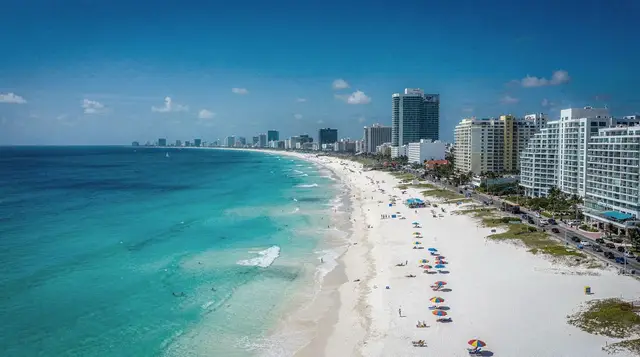
The Caribbean off the Hotel Zone is beautiful to look at, but for snorkeling it’s underwhelming: mostly sand, limited reef close to shore, and surf that stirs up the visibility. Add the sargassum season (roughly May to August), when seaweed can pile up on the beaches and cloud the shallows, and beach snorkeling is often a letdown.
You can rent a mask and paddle around, but don’t build expectations on it. The good stuff is a boat ride away.
Where to actually snorkel
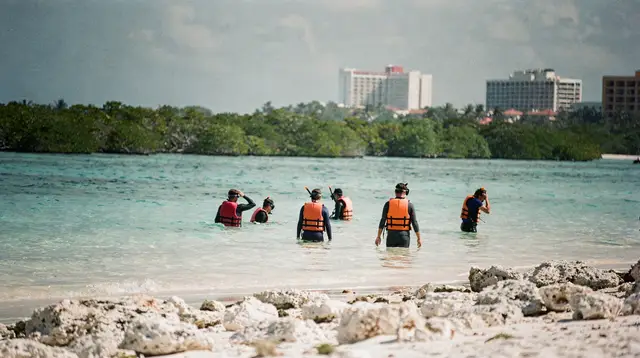
Puerto Morelos reef (about 30–40 minutes south of Cancún) is the underrated winner — a protected national marine park with healthy reef just offshore, sitting remarkably close to the beach. Small-boat trips with local cooperatives run roughly 30–50 USD and the coral and fish are excellent. Less hype, better value, and because it’s a regulated park, the reef is in noticeably better shape than the busier spots. Book through the official fishermen’s cooperative at the town pier rather than a Cancún tour desk, and you’ll pay less and support the people protecting the reef.
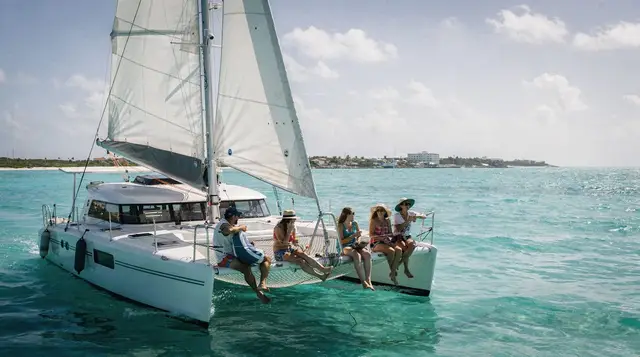
Isla Mujeres — the reefs and the calm bays around the island are far clearer than the mainland. Many catamaran and snorkel day trips include reef stops here, such as this Isla Mujeres catamaran tour with reef snorkeling. The MUSA underwater museum is also on this side.
MUSA (Underwater Museum) — submerged sculptures between Cancún and Isla Mujeres, sitting shallow enough to snorkel. Surreal and unique; see our MUSA underwater museum guide.
Cozumel — the gold standard for the region, with world-class reef walls. It’s a ferry from Playa del Carmen, so it’s a bigger trip, but unbeatable clarity. A glass-bottom boat tour with three reef stops is an easy way to sample it — full details in our Cozumel diving guide and Cozumel day trip breakdown.
Cenotes — not reef, but if the sea is full of sargassum, the clear freshwater cenotes inland are the better swim entirely. Our best cenotes in the Riviera Maya guide covers which ones suit swimmers over hardcore divers.
Isla Contoy — a protected island and bird sanctuary north of Isla Mujeres, sometimes combined with a snorkel at the Ixlache reef. A quieter, nature-focused option with limited daily visitor numbers, usually as a guided day trip.
Snorkel spots compared
| Spot | Boat needed | Reef quality | Best for |
|---|---|---|---|
| Puerto Morelos | Short local boat | Very good, protected park | Value and easy logistics |
| Isla Mujeres | Ferry + short boat | Good, calm bays | Beginners, families |
| MUSA | Short boat | N/A (sculptures) | A unique, easy experience |
| Cozumel | Ferry + boat | Excellent, world-class | Serious snorkelers/divers |
| Cenotes (plan B) | None (drive) | No reef, but crystal-clear | Rough seas or sargassum days |
DIY vs boat tour
DIY works for the cheap-and-easy options: rent gear and snorkel off Playa Norte on Isla Mujeres, or arrange a small-boat trip directly with the Puerto Morelos cooperative on the day. You keep costs down and avoid the big-group experience.
A boat tour makes sense for the reef and MUSA, where you need transport out to the sites anyway. Catamaran trips from Cancún to Isla Mujeres bundle snorkeling, sailing, and often an open bar for roughly 60–100 USD — fun and social, but more party than serious snorkel. A Isla Mujeres catamaran with open bar and lunch is a typical example. For a pure snorkel focus, a small local reef trip beats a big catamaran.
Real prices
- Mask and snorkel rental: roughly 100–200 MXN/day.
- Small reef boat trip (Puerto Morelos / Isla Mujeres): roughly 30–60 USD.
- Catamaran day trip from Cancún: roughly 60–100 USD.
- MUSA snorkel trip: roughly 40–70 USD.
- Cozumel reef trips: from the island, roughly 40–80 USD, ferry fare extra.
Bring pesos for gear rental and local cooperatives; bigger tours take cards.
The reef-safe sunscreen rule
The reefs here are protected, and many marine parks (including Puerto Morelos and MUSA areas) require reef-safe, biodegradable sunscreen — chemical sunscreens with oxybenzone bleach and kill coral. Some boats will check. The simplest answer is a rash guard plus a reef-safe lotion only on exposed skin. This isn’t bureaucracy; it’s keeping the reef alive.
Timing: dodge the sargassum
The clearest water and best snorkeling come in the dry season (December to April). The sargassum season (roughly May to August) can foul the Caribbean-facing beaches and shallows — though reefs reached by boat and the leeward (west) side of Isla Mujeres are usually far less affected. Check sargassum reports before booking a beach-based snorkel, and lean toward boat trips or the islands in summer.
Mornings are best regardless: calmer water, better light, and less wind chop.
What to bring
- Your own mask and snorkel if you have them — fit and clarity beat rentals, and you’ll snorkel more often.
- A rash guard — sun protection without chemical sunscreen, plus a little warmth.
- Reef-safe, biodegradable sunscreen only, for exposed skin.
- Water shoes for rocky entries at Puerto Morelos.
- Pesos in small bills for gear rental and local cooperatives.
- Seasickness medication if you’re prone to it on the smaller boats.
Cenotes: the snorkeling plan B
It’s worth saying clearly: when the sea is rough or full of sargassum, the cenotes inland are the better swim. They’re not reef, so there are no corals or big fish, but the water clarity is extraordinary and there are freshwater turtles at places like Gran Cenote. If your beach snorkel is a washout, don’t force it — drive inland to a cenote instead and you’ll have a far better day in the water. This is one of the real advantages of the Riviera Maya: when the Caribbean disappoints, the cenotes deliver.
Snorkeling with kids and beginners
Cancún is a forgiving place to learn. The calm, shallow water off Playa Norte on Isla Mujeres is ideal for first-timers and children — you can stand, the water is clear, and there’s no current. A life vest plus a mask builds confidence before anyone tackles a reef. The Puerto Morelos cooperative trips are also gentle, with short boat rides and a guide watching the group. Save the more open, deeper reef trips and anything in choppy afternoon water for confident swimmers. For little ones, a glass-bottom boat at MUSA lets them see the underwater world without getting in at all.
A realistic snorkeling day
Rather than gambling on the Hotel Zone beach, a proven plan is: take the Puerto Juárez ferry to Isla Mujeres in the morning, snorkel the calm, clear water off Playa Norte or book a small-boat reef-and-MUSA trip from the island, then spend the afternoon on the beach before the late ferry back. You get real reef, the best beach in the area, and you skip the underwhelming mainland shallows entirely. For serious reef, plan a separate trip to Cozumel.
Reef etiquette in the water
Protected reef is only protected if visitors behave. Keep your fins well above the coral, never stand on it to adjust your mask, and don’t touch or chase turtles, rays or fish. A flotation vest helps more than it sounds: it keeps you horizontal and relaxed, so you aren’t tempted to grab the reef when a wave pushes you around. If a guide tells the group to stay together or keep to a marked line, follow it. The same rules apply at Akumal, where the turtle-snorkeling guide explains how to share the water with the animals.
Choosing your base for snorkeling
Where you sleep changes how easy the boat ride is. From the Hotel Zone, the ferry terminal and the road south are both a short transfer away, which is why many visitors treat snorkeling as a day trip rather than a hotel-beach activity. If reef time is the point of your trip, staying on Isla Mujeres or in Puerto Morelos puts the water on your doorstep and lets you go out early, when it is calmest. Our where to stay in Cancún guide compares the options, and the Cancún vs Riviera Maya breakdown helps if you are unsure which coast suits you.
Fitting snorkeling into a longer trip
Snorkeling rarely fills a whole holiday, so it works best as one or two anchor days. On a short stay, the 2-day Cancún itinerary leaves room for a morning on the water, while the 3-day itinerary can fit both an island day and a cenote swim. If you have more time, the 5-day Cancún itinerary lets you pick the calmest day of the week for the reef instead of committing in advance. Because sea conditions change, keep one day flexible and swap it with a cenote or beach day if the wind picks up.
Reading the water before you go in
Take a minute on the boat or the shore to look at what the sea is doing. Flat, clear water and a light breeze mean an easy swim. Heavy chop, a strong current pulling you away from the boat, or a brown tint from stirred-up sand are all signs to stay close to the guide, shorten your swim or sit one out. Good operators will tell you honestly when conditions are poor, and a trustworthy crew would rather move the group to a sheltered spot than push on. Choppy water is also when seasickness catches people out, so a calm morning really is worth planning around.
Combining snorkeling with other water days
A snorkel day pairs well with something slower. After a morning on the reef, the best beaches in Cancún give you somewhere to rest, and a catamaran day on Isla Mujeres mixes sailing, swimming and lunch if you want something less focused. If you prefer to compare the two islands before you commit, Isla Mujeres vs Cozumel lays out the trade-offs. Check the sargassum guide in summer, and read is Cancún safe if you are travelling with family and want reassurance about water and general conditions.
Quick picks
- Best value: Puerto Morelos reef cooperative trip.
- Most unique: MUSA underwater museum.
- Best all-round: a day on Isla Mujeres with reef snorkeling. Our Isla Mujeres day trip guide and ferry to Isla Mujeres guide cover the logistics.
- Best clarity, bigger trip: Cozumel.
- Plan B in sargassum season: swap the sea for a cenote — see swimming with turtles in Akumal for another Riviera Maya water option that isn’t reef-dependent.
Snorkeling vs diving: which to choose
If you’re weighing a full scuba course against snorkeling, know that most of the region’s best marine life — turtles, rays, colorful reef fish — is visible in the top few meters of water, well within snorkel range. Diving pays off mainly at Cozumel’s deeper walls and drift dives, where the real spectacle is below 10 meters. If you’re not certified and only have a day, snorkeling gets you 80% of the experience for a fraction of the cost and time. Our Cozumel diving guide breaks down when the extra step to diving is worth it.
Frequently asked questions about Snorkeling in Cancún
Do I need to know how to swim to snorkel in Cancún? Basic swimming comfort helps, but most boat trips and beach spots provide life vests, and calm bays like Playa Norte on Isla Mujeres are shallow enough to stand in. Beginners and non-swimmers can still enjoy a guided, vest-assisted snorkel.
Can I snorkel in Cancún without booking a tour in advance? Yes for DIY spots like Playa Norte or a same-day Puerto Morelos cooperative trip; MUSA, Cozumel, and catamaran trips are safer to book a day or two ahead in high season since boats fill up.
Popular Cancún tours on GetYourGuide
Verified deep-linked GetYourGuide tours. Book through these links and we earn a small commission at no cost to you.
These are our own photographs of the area, not the operator's pictures of this tour — open the tour page to see those.