Cozumel diving guide: the reefs, costs and how to plan it
Is Cozumel good for diving and how much does it cost?
Cozumel is one of the best dive destinations in the world — clear, warm water and famous drift dives along a healthy reef wall. A two-tank boat dive runs roughly 90–130 USD plus gear; certification or refresher courses cost more. Reach it by ferry from Playa del Carmen. To dive properly, stay overnight rather than rushing a day trip from Cancún. Use reef-safe sunscreen only.
At a glance
| Where | The Mesoamerican Reef off Cozumel’s southwest coast, reached by ferry from Playa del Carmen |
| Cost | Around 90-130 USD for a two-tank boat dive; 400-550 USD for Open Water certification |
| Time needed | At least an overnight (a day trip from Cancun is possible but rushed) |
| Getting there | Ferry from Playa del Carmen (about 45 minutes), reached from Cancun by ADO bus or car |
| Best time | Roughly April-September for warmest water; December-April for the clearest, calmest visibility |
Cozumel is consistently ranked among the world’s top dive destinations, and the reputation is earned: warm, clear water with 30-plus-meter visibility, a wall of healthy reef, and the famous drift dives where the current does the swimming for you. If diving is the reason you came to the Caribbean, this is the place.
Why Cozumel is special
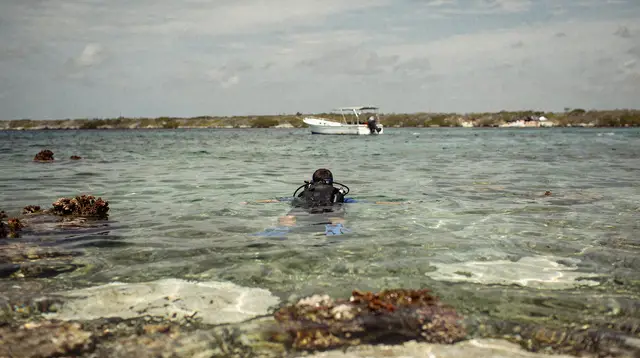
The reefs run along the island’s sheltered southwest side, protected as a national marine park. The current sweeps along the wall, so most dives here are drift dives: you descend, the current carries you over the coral, and the boat picks you up where you surface. It’s relaxed, low-effort, and lets you cover a lot of reef per dive.
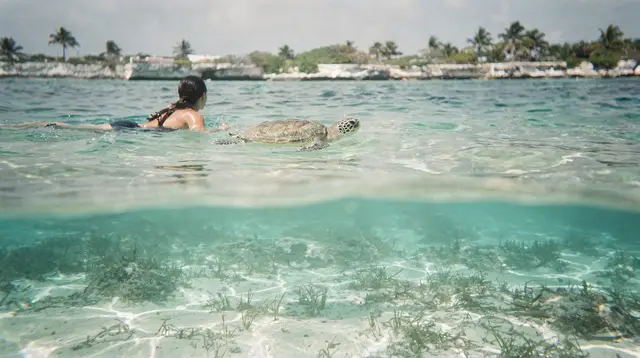
Marine life is abundant — turtles, eagle rays, nurse sharks, groupers, and the endemic splendid toadfish that lives only here. The coral, despite regional pressures, remains some of the healthiest in the Caribbean.
The reefs worth knowing
- Palancar — the classic: a sprawling reef with swim-throughs, canyons, and gardens. Several sections suit different levels.
- Santa Rosa Wall — a dramatic vertical wall dive, deep and fast-drifting, for more experienced divers.
- Columbia — big coral pinnacles and frequent turtle and ray sightings.
- Paradise / Chankanaab — shallower, calmer reefs good for new divers and night dives.
- Cenote and cave dives are on the mainland, not Cozumel — different trip.
Real prices
- Two-tank boat dive: roughly 90–130 USD, sometimes including gear, sometimes plus rental.
- Gear rental: roughly 20–35 USD/day if not included.
- Marine park fee: a small daily fee (a few USD), often added on.
- Open Water certification course: roughly 400–550 USD over 3–4 days.
- Refresher / Discover Scuba (uncertified): roughly 100–150 USD.
Most dive shops quote in USD and take cards. Tip your dive guide — it’s customary, in cash.
Choosing a dive shop
Cozumel has dozens of operators, from big resort outfits to small owner-run shops. Prioritize:
- Small group sizes (4–6 divers per guide beats a crowded boat).
- Good safety culture — proper briefings, oxygen on board, conservative limits.
- Reviews from divers, not just snorkelers.
You don’t need the cheapest; you need a shop that runs tight, small groups. The price difference between bargain and quality is small relative to the experience.
Day trip vs staying over — be honest
Here’s the catch. A day trip from Cancún to dive Cozumel is a stretch: it’s roughly 1.5–2 hours to the Playa del Carmen ferry, a 45-minute ferry crossing, then the dive logistics. You’ll be rushed and you can’t fly or do much after diving. It can be done, but it’s a long, tight day.
Staying overnight on Cozumel (even one or two nights) is far better: you dive relaxed, do two days of two-tank dives, and actually enjoy the island. If diving is your priority, base yourself on Cozumel rather than commuting.
For non-divers along for the ride, Cozumel also has excellent snorkeling at the shallow reefs and beach clubs — see our snorkeling guide. A snorkel tour to El Cielo, Palancar and Colombia reefs gives them the same famous sites from the surface.
Getting there
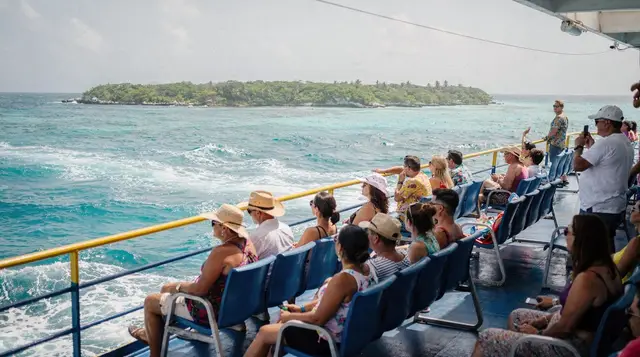
The ferry from Playa del Carmen to Cozumel runs frequently and takes about 45 minutes (two competing companies; check current fares on ultramarferry.com and the other operator’s site). From Cancún, take the ADO bus or drive to Playa first. See our dedicated ferry guide for schedules and tips.
The reef-safe sunscreen rule
Cozumel’s reefs are a protected marine park, and reef-safe, biodegradable sunscreen is required — chemical sunscreens damage coral and some dive sites and beach clubs enforce it. Underwater you don’t need sunscreen anyway; on the boat, a rash guard plus a reef-safe lotion covers you. Help keep the reef the reason people come.
When to dive
Diving is good year-round, with the warmest water and calmest seas from roughly April to September. The dry season (December to April) brings reliable conditions and great visibility, though winter “nortes” (north winds) can occasionally stir things up and force boats to dive the leeward sites only. Hurricane season (June to November, peaking September–October) can cancel boats for a day or two — build slack into your plans and avoid booking a tight, non-refundable trip in the peak storm weeks. Sargassum is far less of an issue underwater and on Cozumel’s protected leeward reefs than on the mainland Caribbean beaches, which is another quiet advantage of diving here in summer.
Water temperature ranges from around 25°C in winter to 29°C in late summer — warm enough for a thin wetsuit or even a rash guard for many divers, though over multiple repeat dives you’ll appreciate a 3mm suit.
New and uncertified divers
You don’t have to be certified to get in the water at Cozumel. Options:
- Discover Scuba (DSD): a guided intro dive in shallow, calm water for first-timers, roughly 100–150 USD. No certification needed; you’ll do a short briefing and a confined or shallow dive with an instructor.
- Open Water certification: a 3–4 day course (roughly 400–550 USD) that certifies you for life and lets you dive the better reefs. If you’re staying a while, this is a great place to learn given the warm, clear water.
- Refresher: if you’re certified but rusty, do a quick refresher before tackling the drift dives — the current here moves, and you want to be comfortable.
Note the drift diving means even shallow Cozumel dives suit confident divers best; very nervous beginners may prefer the calmer Paradise/Chankanaab reefs.
What to bring
- Your certification card and logbook if certified.
- Your own mask at minimum — fit matters; many divers bring their own computer and regulator too.
- A rash guard or thin wetsuit — the water is warm but you’ll get cool over repeat dives.
- Cash in USD or pesos for the marine park fee and guide tips.
- Reef-safe sunscreen and a hat for the boat.
- Seasickness medication if the crossing or boat bothers you.
Non-divers in your group
Cozumel isn’t only for divers. If part of your group doesn’t dive, they can snorkel the shallow reefs (excellent here — see our Cancún-area snorkeling guide for gear and technique tips that apply here too), relax at a beach club like the ones on the southwest coast, rent a scooter or jeep to circle the island, or visit the small Maya site at San Gervasio. So a diver and a non-diver can both have a great day from the same base — another reason staying on the island beats a rushed day trip. If the non-divers want something easy and guided, the Cozumel turtle sanctuary snorkel tour is a gentle option. If your group is torn between Cozumel and Isla Mujeres entirely, our Isla Mujeres vs Cozumel comparison lays out which island suits which traveler.
Frequently asked questions about Cozumel diving guide
Do you need to be certified to dive in Cozumel? No — a Discover Scuba intro dive (roughly 100-150 USD) lets uncertified beginners dive in shallow, calm water with an instructor. If you want to dive the better reefs and current-driven drift sites, an Open Water certification (3-4 days, roughly 400-550 USD) is worth it.
Is a Cozumel day trip from Cancún realistic for diving? It’s possible but tight — expect an early start and a full day of travel plus diving with little slack. See our Cozumel day trip guide for a realistic hour-by-hour plan, or better, stay overnight on the island instead.
Quick plan
Stay two nights on Cozumel, do two two-tank morning dives on consecutive days with a small-group shop, hit Palancar and a wall dive, and use your afternoons for the beach clubs or the town. That’s how you do Cozumel diving properly instead of rushing it from the mainland — and you’ll come home understanding why divers rank this island among the best on the planet.
Getting there from Cancún, step by step
Most divers base themselves in Playa del Carmen or on Cozumel itself rather than commuting daily from Cancún. If you are starting from Cancún, take the ADO bus or a rental car down to Playa del Carmen (around an hour), then the ferry to Cozumel (about 45 minutes; check fares on ultramarferry.com). If you would rather assess whether a single day is realistic at all, see our dedicated Cozumel day trip guide — the short version is that it is possible for a rushed two-tank morning, but staying overnight is far better for a proper two-day dive plan.
Booking your dive shop in advance
In peak months (Easter week, July-August, and the December holidays) the best small-group shops fill up days ahead, so book your dive slots before you arrive rather than walking in. Confirm three things when you book: the group size per guide, whether gear rental and the marine park fee are included in the quoted price, and the exact meeting point and time. Shops that answer these clearly upfront tend to be the well-run, safety-conscious ones you want.
How a typical dive morning unfolds
Boats usually leave from the waterfront in the morning, so you will want to be rested and fed before the meeting time. The guide runs a briefing on the dock or on the way out: the site, the expected current, the depth limits, the signals, and what to do if the group gets separated. Listen closely even if you have dived many times, because every site here behaves differently depending on the day. After the first tank you come back up, the boat waits while the current carries it along, and there is a surface interval with water and a snack before the second descent. The boat follows your bubbles the whole time, which is why drift diving feels so easy: you never fight to get back to where you started.
Back on shore, rinse your gear, log the dives while the details are fresh, and leave the rest of the day free. Do not plan a flight, a high-altitude drive or anything strenuous straight afterwards. That is one more reason the overnight approach works so much better than a hurried return to the mainland.
Pairing diving with the rest of your trip
Diving fits neatly into a longer Riviera Maya plan. If you have only a few days, our Cancún 3-day itinerary shows how to keep the schedule light enough for a boat morning. With more time, the Riviera Maya 7-day itinerary builds in room for a couple of nights on the island, and the island-hopping itinerary linking Holbox and Cozumel suits travelers who want a quieter second stop after the reefs.
Many divers also like to balance salt water with fresh water. The mainland has beautiful cenotes of the Riviera Maya, and our comparison of cenotes versus beaches helps you decide how to split your swimming days. If you want both in one outing, a Gran Cenote and reef snorkeling tour from Cancún combines them. Just keep the usual rest gap in mind between a dive day and anything that involves altitude or a long journey, and check with your shop about timing.
Planning the practical side
Where you sleep shapes the whole trip. If you prefer the energy of the mainland, Playa del Carmen puts you next to the ferry pier, with plenty of food and nightlife after the dive. If you would rather wake up beside the reef, stay on the island and walk to your boat. Our where to stay in Cancún guide covers the wider region if you are still choosing a base, and the getting around the Riviera Maya guide explains the bus, taxi and rental options that connect everything.
Seasickness, sun and dehydration are the three small things that spoil more dive days than anything dramatic. Eat something light, drink water before you board, and keep a hat and a dry layer in your bag. If the sea looks rough on the morning, trust the captain: boats here adjust sites to the conditions, and that flexibility is part of why the diving stays good. For a wider look at the island itself, including what to do on a non-dive day, see the Cozumel destination page and our broader snorkeling options for the days you want to stay near the surface.
Finally, be honest with your guide about your experience and comfort. Mention how recently you dived, any medical concerns, and whether you prefer to stay shallow. A good guide will match you to a suitable site and group, and that conversation matters more than any piece of gear you can bring.
Popular Cancún tours on GetYourGuide
Verified deep-linked GetYourGuide tours. Book through these links and we earn a small commission at no cost to you.
These are our own photographs of the area, not the operator's pictures of this tour — open the tour page to see those.