MUSA underwater museum: snorkel, dive or glass-bottom?
What is MUSA and how do you visit it?
MUSA is an underwater museum of 500+ submerged sculptures between Cancún and Isla Mujeres, designed to grow coral and relieve pressure on natural reefs. You visit by snorkeling (shallow Manchones gallery), scuba diving (deeper Nizuc gallery), or a glass-bottom boat. Trips run roughly 40–80 USD. Visibility varies, so manage expectations. Use reef-safe sunscreen only.
MUSA (Museo Subacuático de Arte) is one of the more genuinely original things to do off Cancún: a museum of more than 500 life-size sculptures placed on the seabed between Cancún and Isla Mujeres. They’re not just art — they’re built from a special concrete that encourages coral and marine life to colonize them, drawing snorkelers and divers away from the fragile natural reefs. Eerie, beautiful, and a little surreal.
At a glance
| Where | Offshore between Cancún’s Hotel Zone and Isla Mujeres — boat access only |
| Cost | Around 40-70 USD snorkel, 80-130 USD dive, 30-50 USD glass-bottom boat |
| Time needed | Half a day, including boat transfer |
| Getting there | Boat trip from a Cancún marina or from Isla Mujeres (via Puerto Juárez ferry) |
| Best time | Calm mornings in the dry season (December-April) for clearest water |
What it is
The figures — including the famous crowd of standing human casts (“The Silent Evolution”) — sit on the sandy seabed in two main galleries. Over the years coral, sponges, and fish have moved in, so the sculptures are slowly transforming into living reef. It’s part art installation, part conservation project, and unlike anything else on the coast.
The two galleries — and which is for you
Manchones (near Isla Mujeres): the shallow gallery, around 8 meters deep, with the largest sculpture groups. Shallow enough to snorkel — this is where most visitors go.
Nizuc (near Cancún’s Punta Nizuc): deeper, only really appreciated by scuba diving.
So your access method decides your gallery:
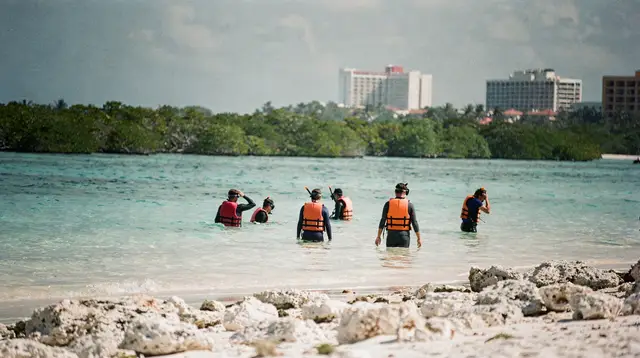
- Snorkelers → Manchones. You’ll see the big sculpture crowds from the surface, though depth means they look smaller than the photos suggest.
- Divers → either, but Nizuc and the deeper parts of Manchones reward certified divers who can get close.
- Non-swimmers → a glass-bottom boat passes over the shallower sculptures.
Honest expectations on visibility and depth
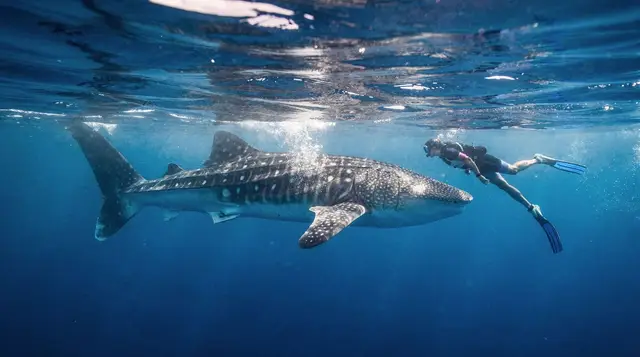
This is the catch nobody mentions. The sculptures sit on the seabed several meters down, so from the surface as a snorkeler they appear smaller and hazier than the dramatic close-up photos you’ve seen — those are shot by divers. Visibility also varies with weather, current, and season; on a churned-up day it can be disappointing.
If you want those iconic close-ups, you need to dive. As a snorkeler, treat it as an intriguing overview rather than the magazine shot, and you won’t be let down.
How to visit and what it costs
- Snorkel tour to Manchones: roughly 40–70 USD, usually a small-boat trip from Cancún or Isla Mujeres, often combined with a reef snorkel.
- Scuba dive trip: roughly 80–130 USD for a two-tank dive including MUSA, for certified divers.
- Glass-bottom boat: roughly 30–50 USD, the dry option.
- Catamaran day trips to Isla Mujeres sometimes include a quick MUSA snorkel stop — convenient but brief.
Many tours add a marine park fee. Bring some pesos for tips and extras; bigger operators take cards.
Getting there
MUSA is offshore between Cancún’s Hotel Zone and Isla Mujeres, so every visit is by boat — there’s no shore access. Trips leave from the Cancún marinas and from Isla Mujeres. Pairing a MUSA snorkel with a day on Isla Mujeres (via the Puerto Juárez ferry) is a popular, efficient combo — see the Isla Mujeres day trip guide for how to structure the rest of the day.
MUSA vs a natural reef snorkel
If you are deciding between MUSA and a straightforward reef trip, the two scratch different itches. MUSA is about the strangeness and the conservation story: sculptures slowly becoming coral, not fish density. A dedicated natural reef trip (see the general snorkeling in Cancún guide) usually shows more live fish and colour, especially outside sargassum months. Many operators solve this by bundling both in one outing, which is the best of both worlds if your budget allows it; a speedboat mangrove and snorkel tour from Punta Nizuc is one such option. If you only have time for one and want colour and marine life over atmosphere, pick a reef-first trip; if the art-meets-conservation angle is what drew you here, MUSA is the one to book.
The reef-safe sunscreen rule
MUSA sits in protected marine park waters, and the whole point of the museum is coral conservation — so reef-safe, biodegradable sunscreen is expected, and chemical sunscreens that bleach coral are discouraged or banned by operators. Wear a rash guard and use reef-safe lotion only on exposed skin. It’s the least you can do at a coral-restoration site.
Timing
Go in the dry season (December to April) or on a calm morning for the best visibility — wind and chop are the enemy of seeing the sculptures clearly. The sargassum season (roughly May to August) affects the beaches more than the offshore galleries, but rough summer water can still cut visibility. Mornings beat afternoons for calmer seas, and an early trip also means smaller crowds at the popular Manchones gallery.
Because MUSA is reached by boat and the sculptures sit a few meters down, the single biggest factor in your experience is water conditions on the day. A glassy morning makes the figures appear and the snorkel magical; a windy, churned-up afternoon turns it into a hazy guess. If you can be flexible, book for a calm forecast rather than locking in a fixed date and hoping.
Where it fits in a trip
MUSA is a half-day at most, and it pairs naturally with other water activities rather than standing alone. The most efficient combinations:
- MUSA + Isla Mujeres: snorkel the museum, then spend the rest of the day on Playa Norte and exploring the island.
- MUSA + reef snorkel: many small-boat trips bundle a natural reef stop with the museum for more marine life.
- MUSA as part of a Cancún sail: some catamaran day trips include a brief MUSA stop en route to Isla Mujeres.
Treat it as one memorable element of a broader day on the water, not a standalone destination, and you’ll come away delighted rather than feeling it was over too quickly. For a sail with a swim stop and time on the island, an Isla Mujeres catamaran tour with snorkeling and Playa Norte covers the day.
What to bring
- Reef-safe, biodegradable sunscreen only — this is a coral-restoration site and chemical sunscreen is banned or discouraged.
- A rash guard for sun protection without lotion.
- Your own mask if you have one, for a clearer view.
- A waterproof camera — you’ll want to capture the surreal sculptures, though as a snorkeler the wide shots will be from above.
- Cash in pesos for tips and the marine park fee.
- Seasickness pills if you’re prone — the offshore site can be choppy.
Snorkel vs dive vs glass-bottom: quick decision
- You snorkel comfortably and want the cheapest in-water option: snorkel Manchones. Good overview, modest cost.
- You’re a certified diver and want the iconic close-ups: dive it. This is the only way to truly appreciate the scale and detail.
- You don’t swim or have small kids: glass-bottom boat. Dry, easy, and still genuinely interesting.
- You’re on a catamaran day trip: you may get a brief MUSA stop — fine as a taster, not the main event.
The conservation story
It’s worth understanding why MUSA exists, because it changes how you see it. The natural reefs off Cancún were being loved to death by sheer visitor numbers. MUSA was created to give snorkelers and divers an artificial reef to enjoy instead, drawing pressure off the living coral while the sculptures themselves grow new coral over time. So visiting MUSA isn’t just a quirky photo op — it’s the more responsible place to snorkel, and the entrance and park fees feed back into protecting the area. Going here instead of trampling a fragile natural reef is genuinely the better choice.
Before you book: choosing an operator
Since every visit is by boat, the operator shapes the whole experience. Ask a few plain questions before you pay: how many people share the boat, whether masks, snorkels and life vests are included, how long you actually spend in the water at the sculptures versus on the transfer, and whether the marine park fee is already in the price. Smaller boats tend to feel less rushed at the galleries, while larger operators are easier for families and groups that want everything handled in one place. If the price looks very low, check what has been left out rather than assuming it is a bargain.
Look for a briefing on reef etiquette before anyone enters the water. A good guide will tell you not to touch the sculptures or the coral growing on them, not to stand on anything, and to keep your fins well clear of the seabed. That briefing is a decent sign the crew takes the conservation side seriously.
A realistic half-day, step by step
A typical outing starts with a pickup or a meeting point at a marina, followed by a boat ride out to the gallery. After a short safety talk you slip into the water and float over the figures, then usually move on to a second stop or head back. The ride itself can be a pleasant part of the trip, with open sea views and a good chance to settle in before the swim. Because the whole thing is built around the boat schedule, arriving early and relaxed matters more than any gear you bring.
If you are staying in the Hotel Zone, read the Hotel Zone guide to work out how close you are to the marinas, and the airport to Hotel Zone transfer guide if you want to plan a MUSA morning for the day after you land. If you are based in downtown Cancún, allow extra margin for getting to the departure point on time. The getting around Riviera Maya guide explains the local transport options.
Who should skip it, and who will love it
Travellers who love sculpture, photography, and quirky conservation projects will get the most from MUSA. Those who judge an ocean outing purely by how many colourful fish they see may prefer a natural reef, and the best cenotes in the Riviera Maya offer a very different kind of swim if freshwater caves appeal more than open sea. Keen divers who want something extra beyond the standard reef dives can read the Cozumel diving guide for another well-known option in the region.
Families should think about how comfortable their children are in open water. The glass-bottom option keeps everyone dry, and the Cancún with kids guide has more ideas for days that suit younger travellers. For a wider look at what else the coast offers on the water, the Cancún beaches guide and the public beach access guide help you build a balanced trip around a MUSA morning.
Fitting MUSA into a longer stay
MUSA works best as one highlight among several. If you are still deciding how long to stay, the how many days in Cancún guide helps you judge whether there is room for a morning on the water. The Cancún 3-day itinerary and the 5-day itinerary show how water days can sit alongside ruins, food, and downtime. For a different pace, the Cozumel day trip guide and the Isla Mujeres versus Cozumel comparison are useful if you are weighing islands. Travellers planning around the weather should also check the best time to visit Cancún and the hurricane season guide, since sea conditions drive how good the visit feels.
A relaxed rhythm usually works better than packing every day. Put the boat outing early in the trip if you can, so that a weather-related change of plan still leaves you days to try again. Keep the afternoon after a morning swim light: a long lunch, a walk, or time by the pool is plenty. For general preparation, the Cancún packing list and the Cancún travel tips cover the small things that make a boat day easier, and the Isla Mujeres catamaran guide is worth a look if you prefer a sailing day with a swim stop.
Verdict
MUSA is worth doing for its sheer originality and the conservation idea behind it — just match the method to your expectations. Snorkel it for the atmospheric overview, dive it if you want the iconic close-ups, or take the glass-bottom boat if you’d rather stay dry. Combine it with Isla Mujeres for a full, memorable day on the water, and remember that the offshore galleries are usually less affected than the beaches when summer sargassum arrives.
Frequently asked questions about MUSA underwater museum
Do you need to be a strong swimmer to snorkel MUSA? No — the Manchones gallery is shallow and calm, and most tours provide a life vest, so comfortable floating is enough. If you’re nervous in open water, the glass-bottom boat is a dry alternative that still shows the shallower sculptures.
Can you combine MUSA with Isla Mujeres in one day? Yes, and it’s one of the most popular combinations — snorkel MUSA in the morning, then take the short hop into Isla Mujeres for lunch and an afternoon at Playa Norte, using the Puerto Juárez ferry or a combined tour boat.
Popular Cancún tours on GetYourGuide
Verified deep-linked GetYourGuide tours. Book through these links and we earn a small commission at no cost to you.
These are our own photographs of the area, not the operator's pictures of this tour — open the tour page to see those.