Playa Norte, Isla Mujeres: the calm-water beach
Is Playa Norte on Isla Mujeres worth visiting?
Yes — Playa Norte is genuinely one of the calmest, shallowest swimming beaches in the Mexican Caribbean, with waist-deep turquoise water far out and soft white sand. It is free to walk onto. Get there by ferry from Puerto Juárez in Cancún (20 minutes; check current fares on ultramarferry.com), then walk or take a golf cart five minutes north.
Playa Norte is the beach Cancún visitors are told to cross the water for, and for once the hype mostly holds up: the water is calm, shallow and clear in a way the mainland’s open-Caribbean coast rarely is. Here is how to do it without overpaying, plus the honest downsides.
At a glance
| Where | North tip of Isla Mujeres, a 5-10 minute walk from the ferry dock |
| Cost | Free to access; ferry fare (check ultramarferry.com), loungers/palapas extra |
| Time needed | A half-day minimum; a full day if pairing with a golf-cart island loop |
| Getting there | Passenger ferry from Puerto Juarez (Cancun), around 15-20 minutes |
| Best time | Early morning (first ferries) and December-April for clearest water |
Why the water is different here
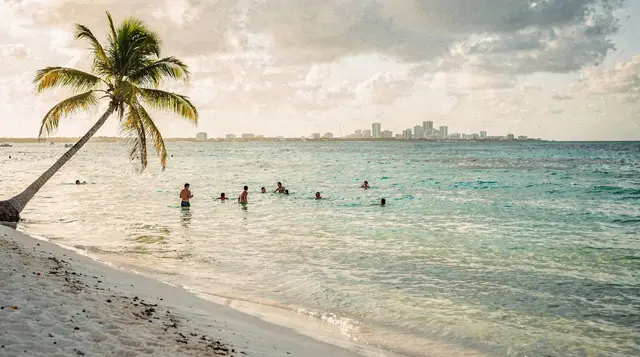
Playa Norte sits at the north tip of Isla Mujeres, facing a sheltered, west-leaning bay rather than the open sea. The result is water that stays waist-deep a long way out, with barely any waves — the closest thing the region has to a swimming pool with a sea floor. It is excellent for small children, nervous swimmers and anyone who just wants to float. The sand is fine and white, and because the beach faces roughly west you get a genuine sunset over the water, unusual on this coast.
Getting there from Cancún
Isla Mujeres is a ferry hop, not a long trip. The main passenger ferries leave from Puerto Juárez (also signed “Ultramar Puerto Juárez”), just north of downtown Cancún. The crossing takes about 15–20 minutes and fares are on ultramarferry.com; boats run frequently through the day, generally every half hour in peak times.
A common trap: ferries also leave from the Hotel Zone (Playa Tortugas, El Embarcadero). These are pricier — often bundled into “tours” — and aimed at resort guests. If you are paying USD-bracket prices for a simple crossing, you are at a Hotel Zone pier. Take a bus or taxi to Puerto Juárez instead and pay the local fare.
From the Isla Mujeres ferry dock, Playa Norte is a flat 5–10 minute walk north through town. You do not need transport, but renting a golf cart (around 900–1,200 MXN per day) is the classic way to also see the wilder south end and Punta Sur.
What it costs once you’re there
The beach itself is free and public — like all Mexican beaches, the sand and water belong to everyone. You can lay a towel anywhere.
What costs money is comfort. The beach clubs and bars along Playa Norte (places like Buho’s, Na Balam’s beach area and similar) rent loungers and palapas, usually on a minimum-consumption basis of roughly 200–400 MXN per person in food and drink, or a flat lounger fee. Beers run about 50–70 MXN, a plate of food 150–250 MXN. None of it is required: bring a towel and shade and you spend nothing but the ferry.
A realistic budget for a couple doing it independently: ferry (fare extra, check ultramarferry.com), a shared golf cart for half a day if you want one (~600–900 MXN), and lunch and drinks at a casual spot in town (~400–600 MXN). You can easily do the day for the ferry fare alone if you bring your own towel and snacks and eat from the cheaper loncherías in the town centre rather than a beachfront bar.
A day on the island beyond the beach
Playa Norte is the headline, but the island has more, and pairing it with the beach makes a better day than baking on the sand for six hours. Rent a golf cart (the standard island vehicle — no full-size car rentals needed) and loop the small island: the wild, rocky Punta Sur at the southern tip has cliffs, a small Maya shrine to the goddess Ixchel and a sculpture park, with the best sunrise views on the island. Along the way are quieter swimming coves, a turtle sanctuary (Tortugranja) and laid-back seafood spots. The loop takes a relaxed couple of hours, perfectly filling the midday window when Playa Norte is at its busiest.
Timing — the real catch
Playa Norte’s flaw is its popularity. Day-trippers pour off the Cancún ferries from late morning, and by midday in high season the beach is shoulder-to-shoulder and the loungers are gone.
- Best plan: take one of the first ferries (often around 8–9am) and you get the calm water nearly to yourself for a couple of hours.
- Worst plan: arrive at noon in December–April expecting space.
- Day-trip rhythm: swim in the morning, lunch in town, explore the south of the island by golf cart in the afternoon when Playa Norte is mobbed.
Sargassum — the good news
The seaweed season that hits the mainland’s east-facing beaches (roughly May to August) treats Playa Norte kindly. Because the beach faces north-west into a sheltered bay rather than the open Caribbean, it usually gets far less sargassum than Cancún’s Playa Delfines or Tulum’s coast — one of the main reasons it stays a reliable swimming choice in those months. It is not magically immune; in a heavy bloom some weed can still arrive, so glance at the live tracker howisthesargassum.com before a dedicated beach day, but Playa Norte is among the safer bets.
Practical notes
- Dry season (December–April) is the busiest and clearest; hurricane months (June–November, peak September–October) are quieter and cheaper but carry storm risk.
- There is little natural shade — rent a palapa or bring your own.
- Reef-safe sunscreen only; the island sits beside protected reef.
- Bring small MXN cash for the ferry, vendors and golf-cart rental.
- It is easy as a day trip, but staying a night lets you have the beach at dawn and after the day boats leave — the island’s best hours.
Where Playa Norte beats the mainland
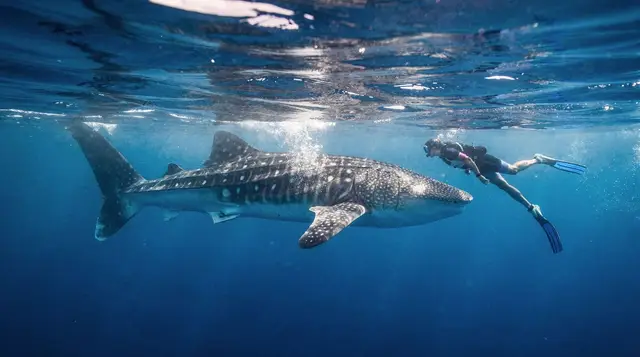
It is worth being concrete about why people bother crossing the water. Compared with Cancún’s Hotel Zone beaches, Playa Norte offers three things the mainland struggles to match: genuinely calm, shallow water (the open-Caribbean east coast of Cancún has real waves and current), far less sargassum in the May–August season thanks to its sheltered north-west aspect, and a sunset over the sea, which the east-facing mainland beaches cannot give you. The trade-off is the ferry, the crowds from late morning, and the temptation to overspend at a beach club. For a calm-water swimming day specifically, the island wins (a whale shark swim with a Playa Norte stop is an option in season); for sheer convenience with no boat, the sheltered north Cancún beaches (Las Perlas, Caracol) are the closer second-best.
Where to eat and stay near the beach
Isla Mujeres town, a short walk south of Playa Norte, has a compact grid of casual restaurants and golf-cart rental shops, so you rarely need to plan ahead. For lunch, the loncherías a block or two back from the beachfront serve tacos and fresh fish at local prices, while the beachfront spots charge a tourist markup for the same view.
If you want to stay overnight rather than day-trip, small hotels and guesthouses cluster within walking distance of Playa Norte itself — worth it if you want the beach at dawn before the day-boats arrive, since accommodation on the mainland Hotel Zone puts the ferry crossing between you and that quiet window. Check our where to stay in Cancun guide if you are deciding between basing yourself on the island or the mainland.
Combining it with the rest of your trip
Playa Norte works well as a standalone day trip, but it also slots naturally into a longer Riviera Maya itinerary. Travelers spending 2 days in Cancun often use one full day for the island; those with 5 days or more can pair it with a cenote day and a ruins day without feeling rushed. If sargassum is heavy on the mainland when you visit, moving your Isla Mujeres day earlier in the trip — rather than saving it for last — hedges against a bad-weather cancellation eating into your only clear-water day; see the sargassum honest take for how to check conditions before you commit.
Playa Norte with kids and nervous swimmers
The shallow, wave-free bay is the reason families come back. Small children can paddle and dig in the sand without a parent hovering at arm’s length, and anyone who dislikes surf will feel at ease here. Bring a hat, a rash vest if your kids burn easily, and a bag for wet towels, because there is little shade and you will spend hours in the water. For more ideas on keeping a trip smooth with little ones, our Cancun with kids guide covers the mainland side, and the blog post on what works with children is a candid companion read.
Snorkelling and boat options around the island
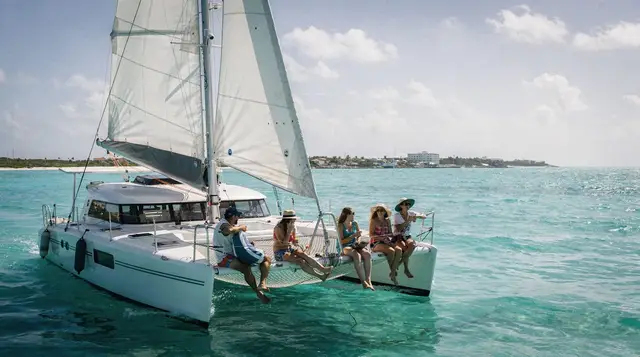
Playa Norte is mostly a swimming beach rather than a snorkelling spot, so if you want to see fish and reef, treat it as a separate outing. Our snorkeling guide explains what to expect across the region, and a catamaran day to Isla Mujeres is the easy way to combine open-water time with a beach stop if you would rather not organise it yourself. A catamaran tour with snorkeling and a Playa Norte stop covers both in one outing. If you are choosing between islands, the Isla Mujeres vs Cozumel comparison lays out which one suits a relaxed beach day and which suits a more active one.
How to plan the ferry side of the day
The smoothest days start at the mainland dock in Puerto Juárez, where the passenger ferries leave. Our ferry to Isla Mujeres guide goes through the crossing in more detail, and the broader Isla Mujeres destination page is the place to look if you want to see everything the island offers before deciding how long to stay. Keep a loose plan for the return: check the last departures when you arrive on the island rather than at the end of the day, so a long lunch or a lingering sunset never turns into a rush back to the pier.
A simple pacing plan for the day
Think of the day in three parts. Spend the first part in the water while it is quiet and the light is soft. Use the middle of the day, when the beach is at its busiest, for lunch in town and a wander through the shops and side streets. Return to the sand late in the afternoon if you want the sunset, since the west-facing shoreline is the whole point of staying. This rhythm keeps you away from the crowds, spreads your spending across a few cheap stops rather than one expensive beach club, and leaves energy for the crossing home. If you prefer a set itinerary, an Isla Mujeres catamaran with lunch and snorkeling takes care of the logistics. For more general habits that make any day out easier, the Cancun travel tips page is worth a skim before you go.
What to pack for the beach
Pack light and keep it practical: a towel, reef-safe sunscreen, a hat, a refillable water bottle, a little cash, and a dry bag or zip pouch for your phone and ferry ticket. Water shoes are optional but can help near the piers. If you are still deciding what else to bring on the trip, the Cancun packing list covers the rest. Leave valuables at your hotel; you do not need them for a swimming day, and the fewer things you carry, the less you have to watch while you float.
Frequently asked questions about Playa Norte, Isla Mujeres
Can you visit Playa Norte as a half-day trip from Cancun? Yes — the ferry crossing is short enough that a half-day works: an early ferry, two to three hours swimming, and a return crossing by early afternoon. You will miss the golf-cart island loop and Punta Sur, but the beach itself is easily done in half a day.
Is Playa Norte good for people who can’t swim well? Yes, more so than almost any other beach on this coast. The water stays shallow a long way from shore with very little current, so non-swimmers and young children can stand and play safely far out — just keep an eye on depth changes near the beach-club piers.
Is it worth it?
For calm, swimmable, genuinely turquoise water, Playa Norte is the most reliable beach within easy reach of Cancún, and the ferry is cheap and quick. The trade-off is crowds and the temptation to overpay at a Hotel Zone pier or a beach club. Go early, go from Puerto Juárez, bring your own towel, and it is one of the best-value days on the coast. For the full island beyond the beach, see the Isla Mujeres day-trip guide.
Popular Cancún tours on GetYourGuide
Verified deep-linked GetYourGuide tours. Book through these links and we earn a small commission at no cost to you.
These are our own photographs of the area, not the operator's pictures of this tour — open the tour page to see those.