Mérida is the capital of Yucatán state — a grand, safe, walkable colonial city about four hours inland from Cancún. It feels worlds away from the coast: no resorts, no beach clubs, just leafy plazas, free live music most nights, and a food scene that rewards anyone who came to Mexico for more than a tan. It’s not a quick day trip from Cancún, but it’s the cultural heart of the region.
| Where | Yucatán state capital, ~4 hrs inland from Cancún |
| Cost | Guesthouses ~600–900 MXN/night; market lunch ~80–150 MXN |
| Time needed | 2–3 days, or a base for western-Yucatán day trips |
| Getting there | ADO bus (~4 hrs) or car from Cancún; ~1.5 hrs from Chichén Itzá |
| Best time | November–March for cooler, dry weather |
What Mérida is — and what it isn’t
This is the honest part: there is no beach. Mérida sits inland, and the nearest coast (the sleepy Gulf town of Progreso) is a 40-minute drive away with calm, brownish Gulf water that’s nothing like the Caribbean. Come here for culture, architecture, food, and a relaxed urban pace — not for swimming. People consistently rate Mérida as one of the safest cities in Mexico, which makes it a comfortable place to wander on foot at night.
The trade-off for being inland is heat. From roughly March to May the city bakes; locals slow right down in the afternoons. Plan sightseeing for mornings and evenings in those months.
The free culture is the real draw
Mérida programs free events almost every night of the week around the Plaza Grande and along the elegant Paseo de Montejo boulevard. Depending on the day you might catch the Vaquería folk dance, a Maya ball-game reenactment, a Mexican Night with mariachi, or a Sunday street market when the center closes to cars (Mérida en Domingo). It’s a rare city where the best evenings cost nothing — just turn up at the main square after dark.
By day, walk the Plaza Grande’s cathedral and government palace (its murals tell the bloody history of the conquest), then stroll Paseo de Montejo’s mansions, built during the henequen (sisal) boom. The Gran Museo del Mundo Maya on the city’s edge is genuinely excellent for understanding the civilization behind the ruins.
The food deserves its own paragraph
Yucatecan cuisine peaks here. Seek out cochinita pibil, sopa de lima, papadzules, queso relleno, and marquesitas (a crispy street-cart dessert) from the market and the fondas around the center. A market lunch runs 80–150 MXN; the celebrated regional restaurants cost more but rarely disappoint. Mérida is a serious food destination in its own right — many visitors plan a day around eating.
Day trips from Mérida
Mérida works beautifully as a base for the western Yucatán:
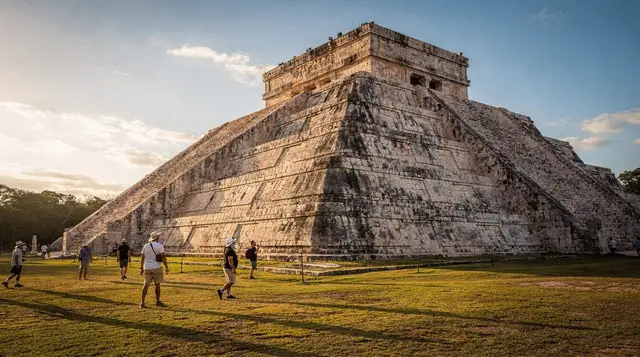
- Chichén Itzá — about 1.5 hours east (much closer than from Cancún); see our Chichén Itzá day-trip guide for entry fees and timing.
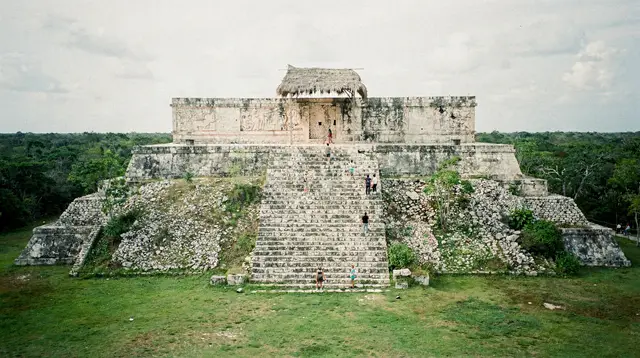
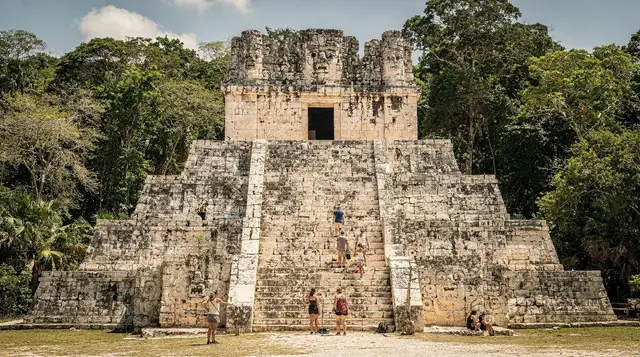
- Uxmal — a magnificent, far less crowded Maya site about an hour south, where you can still climb some structures. If you’d rather skip the driving, a full-day Uxmal and Kabah tour from Mérida handles the logistics.
- Cenotes of Cuzamá / Homún — cluster of cave cenotes reached by a charming horse-drawn rail cart; a ticketed circuit, typically a few hundred pesos per person.
- Las Coloradas — the pink salt lakes on the north coast (a longer day).
- Izamal — the “yellow town,” entirely painted ochre, about an hour away.
Comparing Mérida to the coast
Travelers weighing whether to add Mérida to a beach-focused trip should know it’s a genuinely different kind of stop. There’s no equivalent to Playa del Carmen’s beach or Cancún’s resort strip here — the trade is culture, architecture, and food for sand and sea.
If you’re building a full loop, Mérida pairs naturally with Valladolid, a smaller and even more laid-back colonial town about two hours away, and both slot neatly into a 10-day Yucatán road trip. For a shorter trip, our how many days in Cancún guide helps you weigh how much beach time you’re willing to trade for an inland detour like this one.
Maya culture beyond the ruins
Mérida is also the best base for understanding Maya culture as a living tradition rather than just archaeological sites. Beyond the Gran Museo del Mundo Maya, look for Maya-language radio, hammocks woven the traditional way sold in the market, and Yucatecan Spanish peppered with Maya words. Our Maya culture in the Yucatán guide goes deeper on this if it’s a focus of your trip, and pairs well with a stop at Ek Balam or Cobá on the way back toward the coast.
A slow first day in the center
If you arrive in the afternoon, resist the urge to tick off sights. Drop your bags, wait out the worst of the heat in a shaded courtyard, and head to the Plaza Grande as the light softens. Sit on one of the stone benches, watch families gather, and let the evening’s programme find you. This unhurried first taste is how most people fall for the city, and it sets the tone for the rest of the stay.
The next morning, start early with the cathedral and the government palace murals while the streets are still cool, then wander toward the market for a late breakfast or lunch. After a long midday pause, the Paseo de Montejo is a pleasant walk once the sun drops, and the mansions are at their best in the evening light. Nothing here needs to be rushed, and the city rewards those who treat it as a place to live in for a few days rather than a checklist.
Eating your way through the city
Because food is such a big part of the visit, it helps to think of meals as the structure of your day. Market stalls and small fondas are where the everyday dishes shine, while the more celebrated restaurants are better for a slow dinner. Ask what the daily special is, since many places cook a particular regional dish on a particular day, and don’t be shy about pointing at what the table next to you is eating.
If Yucatecan flavors are a big reason for your trip, our Yucatecan dishes guide explains what to order and how to read a menu, and our Cancún food guide shows how the coastal scene compares. Mérida is the place to taste the originals before you meet the resort-town versions. Leave room for a marquesita from a street cart in the evening; it’s the classic way to end a night on the plaza.
Planning Mérida into a wider route
Mérida rarely works as a stand-alone stop on a Mexican holiday; it shines when it connects pieces of the peninsula. Many travelers come from the coast by bus, and our ADO bus guide for the Yucatán covers how that works in practice. The newer rail link is explained in our Maya Train guide, which is worth reading if you prefer to skip the highway. If you would rather set your own pace and stop at cenotes or ruins along the way, see our Cancún car rental guide for what to know before you drive.
For a fuller picture of what to do once you’re in the city, our Mérida things to do guide goes into more detail than this overview. Travelers who like to anchor their trip to a fixed plan can also look at the Cancún cenotes and ruins itinerary, which shows how inland sites fit alongside coastal days.
Choosing between the ruins
Because Mérida sits within reach of several major archaeological sites, it’s worth deciding early how many you really want. Chichén Itzá is the famous one and the busiest, while quieter options reward those who prefer space to take it in. Our comparison of Chichén Itzá, Tulum and Cobá helps you weigh the choices, and the Ek Balam ruins guide is a good pick if you want a site where you can still feel a sense of discovery. Spreading the sites over different days, rather than cramming them together, makes each one more memorable and keeps the heat manageable. For a quieter option, a private guided Uxmal visit from Mérida lets you set the pace.
Traveling with family or on a budget
Mérida suits families more than people expect. The plazas are open, the evening programme is free, and the pace is gentle, which lets children run around while adults relax. If you’re traveling with young ones, our Cancún with kids guide has ideas that carry over to the whole region, and our family-friendly cenotes guide is useful if you plan a swim in a cave cenote during a day trip.
Budget travelers will also find it easy to enjoy the city without spending much. Markets, free evening events and walkable streets keep costs down, and our Cancún budget guide offers general tips for stretching a trip across the whole region. When you want a ready-made plan, the 10-day Yucatán road trip shows one way to string the inland towns together.
When the heat decides your plans
The weather quietly shapes everything in Mérida. In the hotter months, build your day around shade: early starts, a long lunch, a rest, and a late evening out. In the cooler, drier months you can stretch the walking hours and fit in more. If you’re unsure when to go, our best time to visit Cancún guide and the month-by-month blog post help you line up the seasons, while the hurricane season guide is worth checking if you travel late in the year.
Getting there and around
From Cancún, the ADO bus takes around four hours and is comfortable and inexpensive; the Maya Train now also links the coast to Mérida on certain schedules, which is worth checking. Within the city, the historic center is walkable, and taxis and apps cover the rest cheaply. A rental car only earns its keep if you’re chaining together the outlying cenotes, Uxmal, and the pink lakes. If you’d rather not drive, a Uxmal, hacienda and cenote tour covers several of those stops in one day.
Bring pesos for markets, street food, and small museums, though cards are widely accepted in hotels and restaurants. The tap water isn’t drinkable.
Where to stay and the city’s rhythm
Most visitors base themselves in or near the Centro Histórico, within walking distance of the Plaza Grande and the nightly events, where restored colonial houses have become boutique hotels and guesthouses, many with small plunge pools — a real asset in the heat. The Paseo de Montejo area, a little north, is leafier and more upmarket. Prices run the full range: simple guesthouses from around 600–900 MXN a night, characterful boutique stays from roughly 1,500–3,000 MXN.
The city’s daily rhythm rewards anyone who adapts to it. Mornings are for sightseeing and the market; the afternoon heat (especially March–May) empties the streets, so that’s the time to retreat to a shaded courtyard or a long lunch; and the evenings are when Mérida comes alive, with families filling the plazas after dark. Try to eat dinner late, the local way — restaurants get going around 8 or 9 pm.
A few honest practicalities
- It’s hot, and humid in summer. Book accommodation with a pool or strong air conditioning, and don’t over-schedule midday.
- Mosquitoes are present, especially in the rainy season — pack repellent.
- Tap water isn’t drinkable; stick to bottled or filtered water.
- Sundays are special (markets, closed-off streets) but some shops shut — plan around it.
- The center is safe to walk at night, but normal city sense still applies away from the lit plazas.
How it fits a Cancún trip
Be realistic: Mérida is too far for a day trip from Cancún and deserves at least two nights. It fits best as part of a wider Yucatán loop — Cancún to Valladolid to Mérida and back, picking up Chichén Itzá and cenotes along the way — rather than as an add-on to a beach holiday. If your trip is purely about Caribbean beaches and resort life, skip it; if you want the cultural soul of the peninsula, it’s the place that delivers it.
Frequently asked questions about Mérida
Is Mérida worth visiting if you’re only doing a Cancún beach vacation? Only if you have at least 2–3 extra days to spare — it’s a 4-hour trip each way and a genuinely different experience (culture and food, not beaches), so it suits travelers extending their trip inland rather than a quick add-on.
Is Mérida safe to walk around at night? Yes — Mérida consistently ranks among the safest cities in Mexico, and the center is comfortable to walk after dark, especially around the lit plazas during the nightly free events.