Cancún vs the rest of Mexico: be honest with yourself
Travelers love to be smug about Cancún. “It’s not the real Mexico,” they say, usually from a hammock in Oaxaca. They’re half right and half snobbish. Here’s the honest version of how Cancún stacks up against the rest of the country, and what that should mean for your trip.
| Where | Quintana Roo, Yucatán Peninsula, Mexico’s Caribbean coast |
| How different from “central Mexico” | Flat, jungle-and-limestone coast vs. mountains and colonial highlands |
| Cost to go deeper | Around 200-500 MXN per cenote/site entry, plus an ADO bus or rental car |
| Time needed to see beyond the resort | At least 1 full day trip (Valladolid or Chichén Itzá); ideally 2-3 |
| Best time | November-April for weather; shoulder months (late Oct-Nov, early Dec) for value |
The fair criticism
Cancún was built from nothing in the 1970s as a planned resort zone. The Hotel Zone, specifically, is engineered to feel international and frictionless: dollar prices, English menus, swim-up bars, a Señor Frog’s. If your only experience of Cancún is the sandbar, you genuinely haven’t seen much of Mexico. That criticism lands. For the full picture on where the Hotel Zone earns its keep and where it doesn’t, see is the Hotel Zone worth it and where to stay in Cancún.
The unfair part
But Cancún the city, Centro, is a real, working Mexican city of three-quarters of a million people, with markets, street food, neighborhoods, and prices locals pay. And the Hotel Zone is a 25-minute drive from one of the densest concentrations of genuine Mexican culture anywhere: the Yucatán. Chichén Itzá, the colonial streets of Valladolid and Mérida, Maya villages, cenotes that were sacred a thousand years ago, all within day-trip range. People who say “Cancún isn’t Mexico” usually never left the resort to find out. Spend even one evening in Downtown Cancún and the “fake city” complaint stops holding up.
A region-by-region scorecard
| Criteria | Cancún / Yucatán | Rest of Mexico |
|---|---|---|
| Beaches | Best in the country (Caribbean turquoise) | Pacific has surf and charm, not the same color |
| Ruins & history | Maya heartland, dense and accessible | Central Mexico has its own great sites, further apart |
| Food | Distinct Yucatecan cuisine, excellent | Regional cuisines vary widely, all strong |
| Ease for first-timers | Very high, English widely spoken | Varies a lot by region |
| Cost outside the resort bubble | Affordable in Centro/Valladolid/Mérida | Generally affordable, cheaper in the south |
| ”Undiscovered” feel | Low, this is the most touristed corridor | Higher in Chiapas, Oaxaca, central highlands |
How it compares, region by region
For colonial-town charm (think Oaxaca, San Miguel, Guanajuato): the coast can’t match those, but Valladolid and Mérida hold their own. Valladolid in particular is calm, cheap, and authentically Yucatecan, with a cenote in the middle of town. If you’d rather not drive, a Ek Balam, Valladolid market and cenote tour covers it in one day.
For food: Yucatecan cuisine is its own distinct world, cochinita pibil, sopa de lima, marquesitas, papadzules, not the generic “Mexican” you get in the Hotel Zone. Eat in Centro Cancún, Valladolid, or Mérida and you’re eating real regional food that rivals anywhere in the country. Our Cancún food guide and guide to Yucatecan dishes go dish by dish.
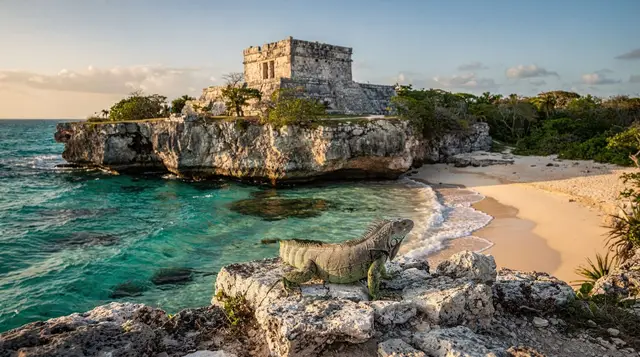
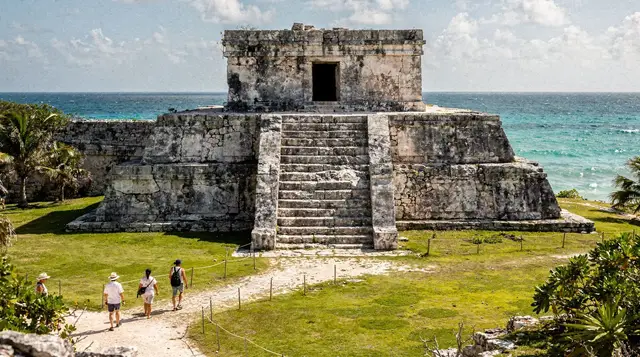
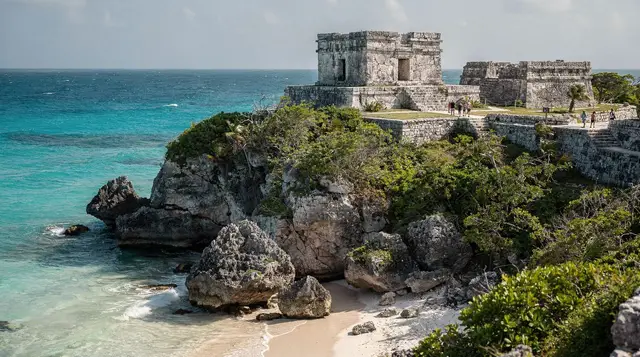
For ruins and history: the Yucatán beats almost everywhere. Chichén Itzá, Tulum, Cobá, Ek Balam, this is the Maya heartland. Central Mexico has its own great sites, but for accessible, spectacular archaeology, this region is hard to beat. Read more on Maya culture in the Yucatán before you go, it changes how the ruins land. For the coast side, a Tulum ruins, turtles and cenote tour packs several highlights into one day.
For beaches: Cancún and the Caribbean coast win outright. The Pacific (Puerto Escondido, Sayulita) has its charm and surf, but the turquoise, calm, postcard-Caribbean look is here, not there (sargassum season aside).
For backpacker authenticity: places like Chiapas, Oaxaca, or central Mexico still feel rawer and cheaper. The Riviera Maya is the most touristed, most polished part of the country. If “undiscovered” is your priority, this isn’t it.
On cost and ease
Here’s where Cancún wins a comparison people don’t expect. For a first international trip, or for travelers nervous about Spanish, safety, or logistics, the Yucatán is one of the easiest, most reassuring parts of Mexico. English is widely spoken in the tourist corridor, the infrastructure is good, the airport has direct flights from across North America and Europe (a private airport transfer to the Hotel Zone makes arrival painless), and the violence that dominates headlines elsewhere is largely a different region’s problem. That accessibility is genuinely valuable, and it’s why the region converts so many first-timers into repeat Mexico travelers who then go deeper into the country. Don’t let snobbery talk you out of an easy on-ramp.
On price, the picture is split. The Hotel Zone and Tulum’s beach strip are among the most expensive square kilometers in Mexico. But Centro Cancún, Valladolid, and Mérida are as affordable as much of the country, street tacos at 20 MXN, set lunches under 130 MXN. So “Cancún is expensive” is really “the resort bubble is expensive.” Step outside it and your money goes as far here as almost anywhere.
Is it safe compared to the rest of the country?
This comes up constantly, and the honest answer is that safety in Mexico is regional, not national. Quintana Roo and the tourist corridor (Cancún, Playa del Carmen, Tulum, Valladolid, Mérida) have a strong safety record for visitors who take normal precautions; it’s a different profile from the cartel-conflict regions that dominate international headlines. That reputation is a real reason the Yucatán converts nervous first-time Mexico travelers. See our full is Cancún safe breakdown for specifics.
The decision
Pick Cancún and the Yucatán if you want Caribbean beaches plus genuinely world-class ruins and a real food culture within reach, and you’re willing to leave the Hotel Zone to find the second half. That combination, beach and Maya history, doesn’t exist elsewhere in Mexico.
Pick elsewhere if your trip is about colonial cities, mountains, or off-the-beaten-path Mexico, in which case fly into Mexico City or Oaxaca instead and don’t force it.
What you’d be trading away
Be honest about the trade-offs of choosing the coast. You give up the mountain landscapes and pine-forest cool of central Mexico, the indigenous craft markets of Oaxaca and Chiapas, the wine country around Querétaro, the big-city culture of Mexico City’s museums and food scene, and the surf-town rhythm of the Pacific. The Yucatán is flat, hot, and jungle-and-limestone; it does beaches, ruins, and cenotes superbly and offers little of the rest. If your dream trip is colonial plazas at altitude or a mezcal crawl through Oaxaca, the Caribbean coast will leave you cold no matter how nice the water is. Matching the region to what you actually want from Mexico matters more than any “real Mexico” scorekeeping.
How to make Cancún “the real Mexico”
If you’re already coming, the fix is simple: don’t let the Hotel Zone be the whole trip. Spend evenings in Centro. Take the day trip to Valladolid, not just Chichén Itzá. Eat cochinita at a market stall. Ride a colectivo. Visit a cenote a village still uses. Do that and you’ll have seen more of real Mexico than the smug traveler who flew into Cancún, stayed three nights in a resort, and decided the whole country was fake.
The bubble is real, but you’re not obligated to stay inside it. The whole point of basing yourself here is that the easy, comfortable resort coast and the genuinely deep Maya heartland sit side by side, an hour apart. Use the first for rest and the second for the trip you’ll actually remember, and the lazy “Cancún isn’t Mexico” line stops applying to you specifically. That’s the move: enjoy the bubble, then step out of it on purpose.
If you have the time, a longer loop through the whole peninsula makes the point better than any single day trip: see our 10-day Yucatán road trip for how to string Valladolid, Mérida, and Chichén Itzá together with the coast.
Where to go next once you decide on the coast
Choosing the Yucatán is only half the decision; the other half is how you split your time between rest and discovery. If you’re still weighing the coast against its closest neighbors, Cancún vs Playa del Carmen vs Tulum and Cancún vs the Riviera Maya lay out how each base feels, and where to stay in Cancún helps you pick between resort comfort and a more local neighborhood.
For the “real Mexico” side of the trip, the easiest wins are the ones that don’t need much planning. A day at Chichén Itzá covers the headline ruins, while a day in Valladolid gives you the colonial street life that people usually go to Oaxaca for. If you can’t decide between sites, Chichén Itzá vs Tulum vs Cobá compares them honestly. Moving around without a car is simpler than most first-timers expect, and the ADO bus guide and getting around the Riviera Maya explain how.
Timing and budget shape the rest. The best time to visit Cancún and the Cancún budget guide will tell you whether your dates and wallet fit the version of the trip you’re imagining. And if you want the whole argument turned into a plan, the 5-day Cancún itinerary and the cenotes and ruins 4-day itinerary both build in time outside the resort, while Mérida rewards anyone who wants a proper colonial city without leaving the peninsula. For more opinionated reading, the best day from each region and first-timer mistakes pick up where this comparison stops.
Frequently asked questions about Cancún vs the rest of Mexico
Is Cancún considered “real” Mexico? Yes and no. The Hotel Zone is a purpose-built resort strip that doesn’t reflect everyday Mexican life, but Cancún’s Centro and the surrounding Yucatán (Valladolid, Mérida, Maya villages) are as authentic as anywhere in the country. The label depends entirely on whether you leave the sandbar.
Should I split my trip between Cancún and somewhere like Oaxaca or Mexico City? Only if you have two or more weeks. The regions are a long flight apart with very different climates and vibes; cramming both into a short trip usually means seeing neither properly. For a single trip under 10 days, staying within the Yucatán (coast plus Valladolid/Mérida/Chichén Itzá) gets you more variety with less travel time.
Popular Cancún tours on GetYourGuide
Verified deep-linked GetYourGuide tours. Book through these links and we earn a small commission at no cost to you.
These are our own photographs of the area, not the operator's pictures of this tour — open the tour page to see those.