Tulum restaurants guide: eating well without the dollar markup
Why are Tulum restaurants so expensive, and where do I eat cheaply?
Tulum's beach-zone restaurants price in US dollars for an Instagram crowd, so a main can run 400–800 MXN (25–45 USD) plus 15% service. Eat in Tulum Pueblo (the town) instead, a short drive inland, where taquerías and cocinas económicas serve full meals for 80–160 MXN. The food is more authentic and a quarter of the price.
At a glance
| Where | Beach zone (pricier) vs Tulum Pueblo (cheaper), a 10-minute drive apart |
| Cost | Around 80-160 MXN for a pueblo meal vs 400-800 MXN for a beach-zone main |
| Time needed | Any meal; plan an extra 10-20 minutes to travel to the pueblo |
| Getting there | Colectivo (around 30-50 MXN) or taxi (around 150-250 MXN) between zones |
| Best time | Lunch for cochinita pibil, before it sells out; evenings for marquesitas |
Tulum is the most over-priced place to eat on this entire coast, and it is worth being clear-eyed about why. The beach-zone restaurants sell a candle-lit, jungle-chic aesthetic to a crowd paying in dollars — and the food, while sometimes excellent, is priced accordingly. The good news is that a few minutes inland, Tulum Pueblo eats like a normal Mexican town. Knowing the split saves you a fortune.
The beach zone runs on dollar pricing
Along the Tulum beach road (the hotel zone strung through the jungle), menus are frequently printed in US dollars, mains run 400–800 MXN, cocktails 250–400 MXN, and a 15% service charge is standard. Some of these restaurants are genuinely good — the produce is fresh, the cooking is ambitious, the setting is gorgeous. But you are paying a heavy premium for the vibe, and a basic dinner for two can clear 2,500–4,000 MXN before you have ordered a second drink.
A second catch worth naming: many beach-zone restaurants sit inside beach clubs or hotels that effectively gate the beachfront, so the “free public beach” requires buying your way in via food or a minimum spend. (More on that in the beach clubs guide.)
If you want one splurge dinner on the beach for the experience, fine — budget for it as an event, not a default. For every other meal, head into town.
Eat in Tulum Pueblo
Tulum Pueblo — the actual town along the highway, a 10-minute drive or cheap colectivo ride from the beach — is where locals and budget-savvy travelers eat. The same dishes cost a quarter of beach-zone prices, and the cooking is more honestly Mexican.
Look for:
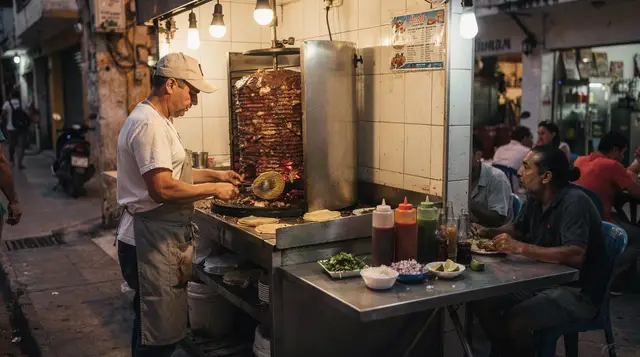
- Taquerías with a trompo spit for al pastor, tacos 15–30 MXN each.
- Cocinas económicas serving comida corrida (soup, main, agua fresca) for 90–150 MXN at lunch.
- Loncherías and marisquerías for cheap, fresh seafood — ceviche and fish tacos.
A filling pueblo dinner with drinks runs 150–300 MXN per person. That is the difference between eating in Tulum for a week comfortably and blowing your budget in two nights.
Yucatecan dishes to order
Tulum is in Quintana Roo, but the regional kitchen leans Yucatecan. Don’t leave without trying:
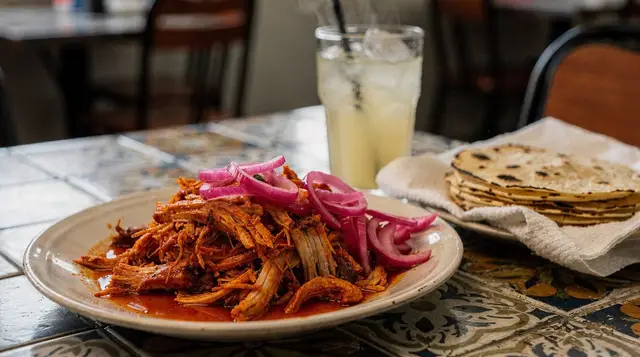
- Cochinita pibil — achiote-and-bitter-orange slow-roasted pork, with pickled red onion and habanero. A breakfast-and-lunch dish; come early before it sells out.
- Sopa de lima — bright citrus-turkey broth with tortilla strips.
- Panuchos and salbutes — fried tortillas topped with turkey, avocado, and pickled onion.
- Marquesitas — the crisp street-crepe dessert with cheese and Nutella or cajeta, sold from carts in the pueblo in the evenings.
Habanero salsa is on every table and is no joke — taste first.
Vegan and health-food Tulum
Tulum’s other food identity is plant-based, raw, and “wellness.” The beach zone is full of açaí bowls, vegan tasting menus, and superfood smoothies — done well, but again at dollar prices (a smoothie bowl can be 180–250 MXN). The pueblo has cheaper plant-based options too, and Mexican food is naturally vegetable-friendly: nopal tacos, frijoles, guacamole, esquites. You will not struggle to eat vegan here; you just pay less in town.
Practical tips
Carry pesos. Beach-zone places take cards and dollars but give poor exchange rates on USD; pueblo spots often want cash. Tap water is not potable, so stick to bottled and busy, high-turnover kitchens. Colectivos and taxis shuttle between pueblo and beach constantly — a colectivo is 30–50 MXN, a taxi 150–250 MXN, and taxis here are notoriously pricey, so agree the fare first.
What to skip
Skip making the beach zone your default dining room — it is a budget killer. Skip any beach-zone “minimum consumption” trap if all you wanted was the beach; the public sand is free by law, even if reaching it past the clubs is deliberately made inconvenient. And skip the imported-concept restaurants charging Los Angeles prices for food you can eat better, and far cheaper, two kilometers away in the pueblo.
Breakfast in Tulum
Breakfast is where the pueblo shines and the beach zone overcharges most absurdly (a smoothie bowl on the beach can be 250 MXN). In town, look for huevos motuleños (eggs on tortillas with beans and salsa, a Yucatecan classic), chilaquiles, molletes, and cochinita tortas straight off the morning batch — all 60–130 MXN with a coffee. Café de olla (cinnamon-spiced coffee) and a fresh juice round it out. Specialty coffee shops have also multiplied in the pueblo if you need a proper flat white.
Seafood done right
Tulum is on the Caribbean, and the seafood is excellent and far cheaper in the pueblo’s marisquerías than at a beachfront table. Order ceviche (fish or shrimp cured in lime), aguachile (shrimp in a punchy green chile-lime sauce — order it fresh and spicy), pescado a la talla (grilled split fish), and tacos de pescado. A marisquería lunch with a beer runs 150–280 MXN versus 600-plus on the beach road.
A money-saving rhythm
The travelers who enjoy Tulum without going broke follow a simple pattern: breakfast and most lunches and dinners in the pueblo, one or two splurge meals or sunset drinks on the beach booked as deliberate events. Mix the colectivo (cheap shuttle vans) into your day rather than relying on Tulum’s pricey taxis, and the cost of eating here drops by more than half. Tulum can be done on a normal budget; it just requires ignoring the default the beach zone sets for you.
Drinks and tipping
Aguas frescas (jamaica, horchata, chaya) are 20–40 MXN and far better value than soda or beach-zone cocktails. If you want a drink, a paloma or a mezcal with grapefruit soda is the local move. On tipping: 10–15% is standard, but beach-zone restaurants frequently already add a 15% service charge — check the bill before you tip again on top, a common double-charge trap here.
Vegan, vegetarian and dietary needs
Tulum is one of the easiest places in Mexico to eat plant-based. Beyond the wellness cafés, traditional Mexican cooking is naturally vegetable-forward: tacos de nopal (cactus), frijoles, guacamole, esquites (street corn), molletes, and chiles rellenos (ask whether they are cheese-stuffed). Pueblo loncherías will happily do tacos sin carne with extra beans, rice, and salsa for a fraction of a beach-zone vegan bowl. Gluten-conscious eaters do well too, since corn tortillas are the default — just confirm a dish is corn, not flour. The one thing to watch is lard in beans and some tortillas; ask “¿lleva manteca?” if it matters to you.
A few honest caveats
Two practical things keep coming up in Tulum. First, power and water on the beach road run partly on generators and trucked-in supply, which is part of why prices are high and why service can be slower than you expect — factor in time. Second, the “eco” and “Mayan-inspired” branding on some beach-zone menus is marketing as much as substance; the genuinely traditional Yucatecan cooking is in the pueblo, not the candle-lit jungle restaurant charging triple for it. None of this means avoiding the beach zone entirely — just go in knowing what you are paying for, and let the pueblo do the everyday feeding.
Choosing a base before you choose a restaurant
Where you sleep shapes where you eat more than any review does. Stay on the beach road and every meal starts as a decision between an expensive table nearby and a ride into town; stay in the pueblo and the cheap option is simply the one outside your door. If you are still weighing the options, the Tulum beach zone page explains what that stretch of coast is like to live in, and the Cancún vs Playa del Carmen vs Tulum comparison puts the three towns side by side, including how each one feels at mealtimes.
A useful habit is to eat your main meal in the pueblo and treat the beach as the place for a drink and a view. Sunset is the natural moment for it: arrive, order one thing, enjoy the light, and leave for dinner somewhere that does not charge for the sunset. The Tulum beach clubs guide goes into how minimum spends work, which helps you decide whether a particular spot is worth it before you sit down.
How to read a menu and a bill
A few small habits stop surprises at the table. Check whether the menu lists prices in dollars or pesos, and whether tax and service are already included. Ask what is in a daily special before ordering it, since specials are often where the freshest fish is. At a taquería, order a few tacos at a time rather than a big round, so everything arrives hot and you can adjust to the salsas. At a cocina económica, the set lunch is usually the best deal, and the dish of the day is typically the one the cook is proudest of.
When the bill arrives, look at the total line by line. Mistakes happen, and a service charge that has already been added is easy to miss. If you are paying by card, ask to pay in pesos rather than in your home currency; the machine’s own conversion is rarely in your favor. Keep some small notes and coins for street carts, juice stands and tips, because change for a large note is not always available first thing in the morning.
Eating beyond the main strip
Some of the best meals of a trip come from stepping away from the obvious streets. Wander a few blocks off the main avenue in the pueblo and you will find family-run places with a handful of tables, a hand-written board and a loyal local crowd. A busy room at lunchtime is the best signal you will get: cooks turn over their ingredients quickly, and the food is fresh because it is being eaten.
If you are building a longer trip around the coast, the same pattern holds elsewhere. The Tulum itinerary for three days shows how to slot meals between the ruins, the cenotes and the beach without letting lunch eat your afternoon (a Tulum ruins and cenotes tour with lunch also sorts the midday meal for you), and the Riviera Maya cenote guide is a good companion for planning a swim before a late, relaxed lunch. For a broader view of how food fits into a tight budget on this coast, the Cancún budget guide applies the same logic to the whole trip, not only to dinner.
Where to eat elsewhere on the coast
If you are pairing Tulum with other stops, the Cancún food guide and best tacos in Playa del Carmen cover the same value logic — beach-zone dollar pricing versus honest local prices a short ride inland. For the fuller Yucatecan menu beyond Tulum’s greatest hits, the Mexican dishes of the Yucatán guide is worth a look before you travel.
Pairing meals with your day
Most visitors eat around a ruins-and-beach day rather than treating restaurants as a standalone outing. If you are doing Tulum as a day trip from Cancún, plan lunch in the pueblo after the ruins rather than the pricier beach zone — it fits the timeline better and costs a fraction as much. If you’d rather not organise the transport, a Tulum, Gran Cenote and snorkeling tour from Cancún covers the logistics. Staying overnight in Tulum Pueblo itself, rather than the beach zone, puts you in walking distance of the cheap taquerías covered above.
Frequently asked questions about Tulum restaurants guide
Do beach-zone restaurants in Tulum take pesos, or only dollars? Most take both, plus cards, but the dollar exchange rate offered at the till is usually worse than the bank rate. Paying in pesos (carried as cash) generally works out cheaper even at beach-zone restaurants that price their menu in USD.
Is there a real difference in food quality between the beach zone and the pueblo? Not necessarily in your favor at the beach zone. Some beach restaurants do genuinely elevated cooking, but a lot of the premium is the setting and branding rather than the food itself — pueblo taquerías and cocinas económicas often serve more traditionally accurate Yucatecan dishes for a quarter of the price.
Popular Cancún tours on GetYourGuide
Verified deep-linked GetYourGuide tours. Book through these links and we earn a small commission at no cost to you.
These are our own photographs of the area, not the operator's pictures of this tour — open the tour page to see those.