Cancún food guide: what to eat and where to find it
Where should I eat in Cancún to avoid tourist-trap prices?
Eat downtown (El Centro), not in the Hotel Zone. A full meal of tacos al pastor or cochinita pibil downtown runs 80–150 MXN (about 5–9 USD), while the same plate in a Hotel Zone resort restaurant is often 250–400 MXN. The Mercado 28 area, Avenida Yaxchilán, and Parque de las Palapas have the best-value local food.
Cancún’s food reputation suffers because most visitors only eat in the Hotel Zone, where prices are dollar-tuned and the cooking is generic “Mexican.” The real eating happens a 15-minute bus ride away in downtown Cancún, and once you cross that line the food gets better and cheaper at the same time.
At a glance
| Where | Downtown Cancún — Avenida Yaxchilán, Parque de las Palapas, Mercado 23/28 |
| Cost | around 250–450 MXN/person/day downtown vs. 1,200–2,000 MXN/day Hotel Zone-only |
| Getting there | R-1/R-2 city bus from the Hotel Zone, around 12 MXN, roughly 15–20 minutes |
| Must-try | cochinita pibil, panuchos, marquesitas |
| Best time | evenings for Parque de las Palapas street food; lunch for cocinas económicas at the markets |
The Hotel Zone markup is real
Restaurants along Boulevard Kukulcán pay resort-strip rents and price for captive guests. Expect 250–400 MXN for a main, 120–180 MXN for a margarita, and a 10–15% service charge that is sometimes added on top of the tip you then feel pressured to leave. The food is rarely bad — it is just two to three times what the same dish costs downtown, often cooked to a milder, “international” palate.
If you are staying in the Hotel Zone and don’t want to travel, the honest move is to pick a couple of mid-range local-leaning spots and accept the markup for convenience, rather than eating every meal at the resort buffet.
Eat downtown (El Centro)
Take the R-1 or R-2 bus (12 MXN, runs constantly) from the Hotel Zone to downtown. The whole city of locals eats here. Three areas are worth your time:
- Avenida Yaxchilán — a strip of taquerías, seafood spots, and cantinas. Loud, busy, good.
- Parque de las Palapas — an evening food-stall park where families gather. Marquesitas, elotes, tacos, antojitos, all for pocket change.
- Mercado 28 / Mercado 23 — markets with cocinas económicas (set-menu lunch counters). Mercado 28 is more touristy; Mercado 23 is where locals actually shop and eat.
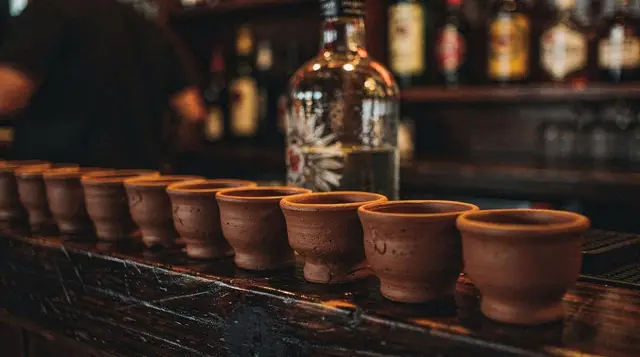
A taco costs 15–30 MXN. A full comida corrida (soup, main, drink) at a market counter runs 90–140 MXN. You will eat better here than at any resort. If you’d like a guide to point you at the right stalls on day one, a market tour with tacos and tequila is an easy way in.
Yucatecan dishes you should order
Cancún sits in Quintana Roo, next door to Yucatán, and the regional cooking is distinct from the central-Mexican food most travelers expect. Order these at least once:
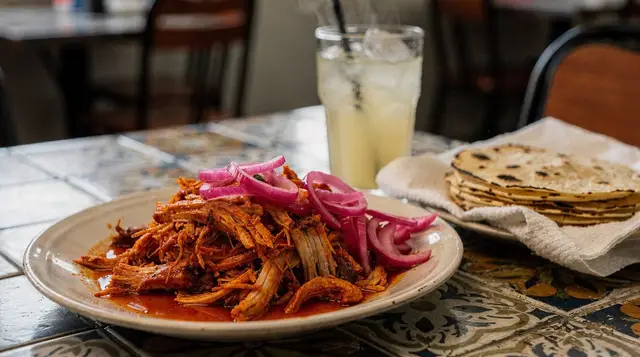
- Cochinita pibil — pork marinated in achiote and bitter orange, wrapped in banana leaf and slow-roasted until it falls apart. Eaten in tacos or tortas, topped with pickled red onion and habanero. The single dish to try if you try one.
- Sopa de lima — a clear turkey or chicken broth sharpened with local lima (a citrus closer to a mild lime) and crisp tortilla strips. Light and excellent.
- Panuchos and salbutes — fried tortillas topped with turkey, lettuce, avocado, and pickled onion. Panuchos are stuffed with refried beans; salbutes are puffier and not stuffed.
- Papadzules — egg tacos in a pumpkin-seed sauce, an old Maya dish that predates the Spanish.
- Marquesitas — a street dessert: a crepe rolled crisp around cheese (yes, cheese) and Nutella or cajeta. Strange-sounding, genuinely good. Find them at Parque de las Palapas.
Habanero salsa appears on every table here. It is hot. Taste a drop before you commit.
Street food and seafood
Cancún is a Caribbean city, so the seafood is fresh and cheap if you know where to look. Ceviche, aguachile, and pescadillas (fried fish tacos) are everywhere downtown. A marisquería lunch of ceviche and a cold beer runs 150–250 MXN versus 500-plus on the strip.
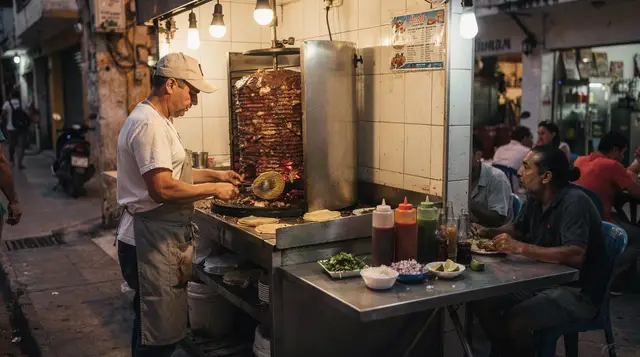
For tacos al pastor, look for the vertical trompo spit and a line of locals — the line is the quality signal. Late-night taquerías downtown serve until the early hours. A guided Cancún taco tour with tequila tasting is a good way to learn what to order.
A safety note that is practical, not alarmist: tap water is not potable. Stick to bottled or purified water, which every restaurant uses for ice and cooking anyway. Busy stalls with high turnover are your friend; an empty stall with food sitting out is not.
A taco vocabulary so you can order with confidence
Cancún’s taquerías move fast and the menu is often a board, not a printed card. A little vocabulary goes a long way:
- Al pastor — spit-roasted marinated pork with pineapple. The default order.
- Suadero — slow-cooked beef, rich and soft, big in late-night spots.
- Bistec — chopped grilled beef.
- Cochinita — the Yucatecan achiote pork (see below), usually breakfast and lunch only.
- Pescado / camarón — fish or shrimp, often battered and fried; a coastal speciality here.
- Con todo means “with everything” (onion, cilantro, salsa). Sin cebolla is “without onion.”
Tortillas are corn by default; ask for harina (flour) only if you prefer. Salsas sit on the counter — green (tomatillo) is usually milder than red, and the habanero is in its own little dish for a reason. Order two or three tacos to start, taste, then order more; that is how locals eat and it keeps everything hot.
Breakfast like a local
Mexican breakfast is a genuine highlight and most resort guests miss it by eating the buffet. Downtown loncherías serve huevos motuleños (a Yucatecan plate of eggs on tortillas with beans, peas, ham, and salsa), chilaquiles (tortilla chips simmered in salsa with egg or chicken), and cochinita tortas that sell out by midday. Pair it with café de olla (cinnamon-spiced coffee) or a fresh jugo stand juice. A full local breakfast runs 70–130 MXN versus a 300-plus-MXN resort à la carte.
Aguas frescas, coffee and sweets
Don’t default to soda. Aguas frescas — jamaica (hibiscus), horchata (rice-cinnamon), tamarindo, and the leafy Maya chaya — are made fresh, cheap (20–40 MXN), and everywhere. For dessert beyond marquesitas, look for churros, paletas (fruit ice pops from a paletería), and nieves in tropical flavors like mamey and guanábana. Specialty coffee has also arrived downtown if you need a proper espresso between meals.
Budgeting your eating
A realistic daily food budget tells the whole story. Eating downtown, three solid meals plus drinks runs 250–450 MXN per person per day. Eating exclusively in the Hotel Zone, the same three meals can be 1,200–2,000 MXN. The single decision that moves your trip budget most is simply where you eat — which is why the budget guide and this page point to the same answer: get on the R-1 bus.
How to read a restaurant before you sit down
A few habits save you from most disappointments. Look at who is eating: a room full of local families on a Sunday tells you more than any review. Look at the menu: a short board that changes with the market beats a laminated book with forty items and photographs. Look at the salsas: if they arrive in small bowls made that day, the kitchen cares; if they come out of a squeeze bottle with a brand name, it probably does not.
Pace matters too. Local lunch is the main meal and tends to stretch into the afternoon, so the best cocinas económicas are busiest then and can run out of the day’s specials later on. If you want the cochinita or the soup of the day, go earlier rather than later. Dinner downtown is lighter and more social, which is exactly why the evening stalls at Parque de las Palapas work so well.
Eating well if you are staying in the Hotel Zone
You do not have to give up on convenience. Plan one downtown meal a day, ideally lunch, and use the Hotel Zone for breakfast or a sunset drink where the view is part of what you are paying for. If you are still choosing where to sleep, the trade-offs between a resort and a downtown base are laid out in where to stay in Cancún and in all-inclusive vs. not, and food is a big part of that decision. An all-inclusive can make sense if you will barely leave the property, but if you like to explore, paying for a room without meals and eating out usually leaves you with better memories of the trip.
The same applies to the question of whether the strip is worth your time at all; the Hotel Zone verdict covers it from the angle of the whole stay, not only the plate.
Eating with kids, with picky eaters, and with dietary needs
Mexican food is friendlier to fussy eaters than it looks. Plain quesadillas, grilled chicken, rice, beans, fresh fruit and tortillas with a little cheese appear on almost every menu, and nobody will mind if you ask for the salsa on the side. Keep the habanero away from small children and let them choose from the milder green salsa instead. Fruit stands, paletas and aguas frescas make easy treats between meals. For families planning a longer stay, Cancún with kids has more on what works day to day.
Vegetarians will find more than beans: the markets sell fresh fruit, nopales, elotes, cheese-filled snacks and vegetable-based antojitos, and many Yucatecan dishes can be ordered without meat if you ask clearly. Say what you do not eat before you order, since lard and broth are common in home-style cooking. If you have a serious allergy, write it down in Spanish and show it to the cook, rather than relying on a quick spoken explanation at a busy counter.
Turning meals into a day plan
Food fits neatly around the main excursions. If you are heading out on a long day, eat a proper local breakfast first and carry water. Before or after the ruins, look for a simple local lunch in the nearest town rather than the restaurant attached to the site. This is true on a Chichén Itzá day trip and in Valladolid, a colonial town where eating in the square or on the side streets feels very different from a tour-bus buffet. On a longer visit, the 3-day Cancún itinerary leaves room for exactly the kind of downtown food crawl described above, and the Cancún travel tips page covers the small practical points, such as carrying cash for stalls and markets.
What to skip
Skip the Hotel Zone “Mexican fiesta” dinner shows unless you specifically want the spectacle — you are paying 700–1,200 MXN for buffet food and mariachi. Skip the chain restaurants imported from the US; you did not fly to Mexico for them. And be wary of any menu printed only in English with no prices — that is a tourist-trap tell.
A simple eating plan
If you have a few days: do one downtown food crawl (Yaxchilán by day, Palapas by night), one marisquería seafood lunch, and try cochinita pibil and a marquesita before you leave. Pair it with a tequila or mezcal tasting, or an evening lucha libre night with tacos and margaritas, and you have covered the essentials without overpaying. For the drinking side, the tequila and mezcal guide goes deeper.
Beyond Cancún: eating in the Riviera Maya
If your trip extends south, the same downtown-over-resort-strip logic applies everywhere. Playa del Carmen’s Quinta Avenida has its own tourist markup, but a block or two back you’ll find the same cocinas económicas pricing as Cancún. For a specific target, our best tacos in Playa del Carmen guide names names.
If you’re doing a Tulum day trip, the town (Tulum Pueblo) has notably better-value eating than the beach-zone hotels and restaurants, which price like a Hotel Zone resort strip. And if you want the deeper cultural context behind dishes like cochinita pibil and papadzules, our Maya culture in the Yucatán and Yucatecan dishes explained guides are worth a read before your first meal downtown.
Frequently asked questions about Cancún food guide
- Is street food in Cancún safe to eat? Yes, if you stick to busy stalls with high turnover — that’s the real safety signal, more than the setting. Avoid anything sitting out at an empty stall, and stick to bottled water.
- Do I need to speak Spanish to order at a taquería? No, pointing and basic words (al pastor, con todo, sin cebolla) get you a very long way; staff in tourist-adjacent areas are used to it.
Popular Cancún tours on GetYourGuide
Verified deep-linked GetYourGuide tours. Book through these links and we earn a small commission at no cost to you.
These are our own photographs of the area, not the operator's pictures of this tour — open the tour page to see those.