Family-friendly cenotes: the safest swims for kids
Which cenotes are best for kids?
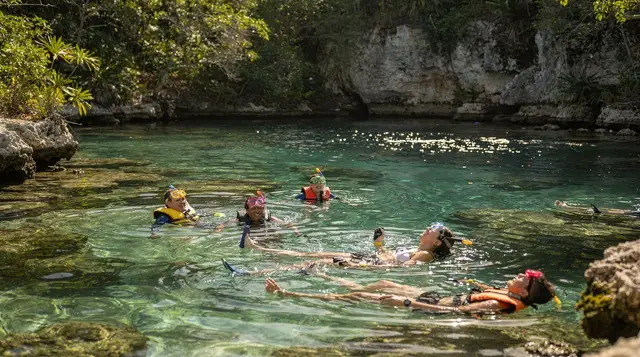
Choose open, shallow cenotes over deep cavern ones. Good family picks include Cenote Cristalino and Jardín del Edén near Playa del Carmen, Cenote Azul, and the shallow areas of Gran Cenote near Tulum. Look for shallow entries, steps or platforms, available life jackets, and shade. Entry runs roughly 100–350 MXN per adult, with kids often free or half price. Bring water shoes and biodegradable sunscreen only.
Cenotes — the freshwater sinkholes that riddle the Yucatán — are the region’s best swim, and several are genuinely great with kids. But “cenote” covers everything from a sunny open pool to a pitch-dark flooded cave, so the choice you make at booking matters as much as anything. Here is how to pick the ones that suit children, and how to keep a cenote day safe and fun.
At a glance
| Where | Playa del Carmen highway corridor and near Tulum |
| Cost | Around 100-350 MXN per adult; kids often free or half price |
| Time needed | Half a morning for one or two cenotes |
| Getting there | Rental car easiest; taxi or organized transport also work |
| Best time | Early morning (8-9am), before tour buses arrive |
Open vs. cavern — pick open for kids
Cenotes come in three rough types. Open cenotes are sunken pools open to the sky, often with shallow edges, steps, and shade — ideal for families. Semi-open cenotes are partly roofed, cooler and dimmer. Cave (cavern) cenotes are mostly underground, dramatic but deep, dark, and better suited to confident swimmers, snorkelers, and divers.
For kids, open cenotes with a shallow entry win every time. Skip the deep cave cenotes with young children no matter how good the photos look.
Specific family picks
- Cenote Cristalino (near Playa del Carmen) — an open cenote with shallow areas, a platform, and a small jump ledge for braver kids. Easy access off the highway. Entry around 200 MXN.
- Jardín del Edén / Ponderosa (same cluster) — large, open, partly shallow, with fish and lily pads; popular with families and snorkelers. Around 200–250 MXN.
- Cenote Azul (Playa del Carmen side) — terraced shallow pools that are basically a natural kids’ wading area near the entrance, with deeper sections further in. One of the most toddler-friendly. Around 150–200 MXN.
- Gran Cenote (near Tulum) — semi-open, very clear, with shallow edges, boardwalks, turtles, and rental life jackets; busy but well set up for families. Around 500 MXN (Tulum cenotes run pricier). See the Gran Cenote guide for full details.
- Cenote Cristal & Escondido (Tulum) — open, sunny, with a shallow side and rope swings; quieter than Gran Cenote.
Avoid for young kids: Dos Ojos and most cave-dive cenotes (deep, dark), and any cenote where the only entry is a tall ladder into deep water. For the fuller picture of every major cenote in the region, not just the family-friendly ones, see best cenotes in the Riviera Maya, and if you are based nearer Tulum specifically, cenotes near Tulum covers that cluster in more depth.
What “kid-safe” actually means here
Cenotes are natural, so safety is on you, not a lifeguard:
- Depth. Even “shallow” cenotes drop off fast a few meters from the edge. Most open cenotes are deep in the middle. Keep non-swimmers on a life jacket and within arm’s reach.
- Life jackets. Many family cenotes rent them (around 30–80 MXN) or require them; bring your child’s own if you have it, as stock runs out by midday.
- Slippery rock. Limestone edges and steps are sharp and slick. Water shoes save toes and tempers.
- Cold and dim. Cenote water is refreshingly cool (around 24–25°C) and shaded areas get chilly for small bodies. Have a towel and dry layer ready.
- No lifeguards at most wild cenotes. Only the bigger commercial ones have staff watching the water. Assume you are the lifeguard.
The sunscreen rule — take it seriously
Cenotes feed the region’s underground rivers and the reef, so regular sunscreen and bug spray are banned. Use biodegradable (reef-safe) sunscreen only, applied well before you arrive, and ideally rinse off oils at the showers first. Many cenotes will ask you to shower or will refuse entry over a banned bottle. Rash guards and hats do more than any lotion and avoid the problem entirely.
Prices and how to keep it cheap
Cenote entry is one of the region’s great bargains: 100–350 MXN per adult at most spots, 400–500 MXN at the famous Tulum ones, and kids frequently free or half price. Compare that to 100+ USD a head at the eco water parks — a family cenote day costs a fraction. Bring cash in pesos; many cenotes do not take cards and ATMs are far away.
Making a smooth family cenote day
- Go early. Gates often open around 8–9am. The first hour or two means clear water, cool air, parking, and no tour-bus crowds. By 11am the popular ones fill up.
- Pack: water shoes, biodegradable sunscreen, towels, drinking water, snacks (few cenotes have food), cash, and a dry bag.
- Cluster your stops. The Playa del Carmen highway corridor (Cristalino, Jardín del Edén, Azul, Chikin-Ha) packs several family cenotes within minutes of each other — pick two, not five.
- Watch the weather. Cenotes are at their best on sunny mornings; an overcast day makes the water dim and the swim chilly for kids.
- Mind the heat between stops. Shade is patchy at car parks and walkways; the 11am–3pm sun is brutal even when the water is cold.
Cenotes vs. the eco water parks for families
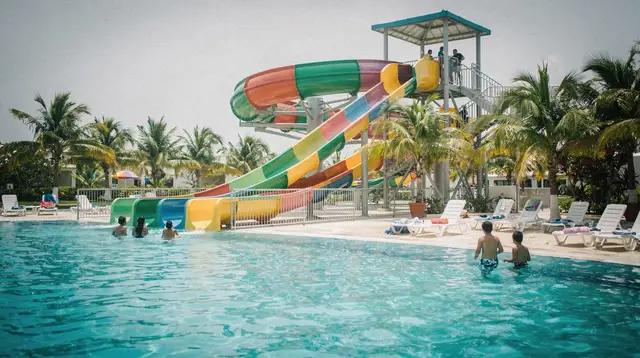
It is worth being clear-eyed about the trade-off. The Xcaret-group parks (Xel-Há in particular) give you lifeguards, ladders, life jackets, buffets, and gentle managed water — genuine peace of mind with young kids, at 100+ USD a head. Wild cenotes give you raw beauty, tiny crowds, and a bill of 6–20 USD a head, but no lifeguards and natural hazards you manage yourself. With water-confident kids and attentive parents, cenotes win on every measure except hand-holding convenience. With non-swimmers or very anxious children, the structured park is the safer call. Many families do one of each: a cenote morning for the magic, a park day for the easy mode.
A sample easy cenote morning
Here is a low-stress plan that works with kids: leave the resort by 8am with water shoes, towels, biodegradable sunscreen, snacks, and pesos in cash. Drive (or colectivo) the Playa del Carmen highway corridor and hit Cenote Azul first for the shallow terraced pools while it is empty, then move to Cristalino next door so braver kids can try the small jump ledge with a life jacket on. Be back by midday before the heat and the tour buses peak, grab tacos in town, and let everyone nap. Two cenotes, under 600 MXN for a family of four in entry fees, and a swim the kids will still talk about at home.
What to do if a child gets nervous
Plenty of kids freeze at the edge of a dark, deep-looking cenote — that is normal. Do not force it. Put them in a life jacket, get in yourself, and let them cling to you and the steps until they relax; the cool, ultra-clear water usually wins them over within minutes. Pick the sunniest, shallowest cenote you can for a first try (Azul, Cristalino) rather than a dramatic cavern, and save the cave cenotes for another trip. A good first cenote builds a swimmer; a scary one creates a refusal.
Matching the cenote to your children’s ages
Toddlers and preschoolers do best where the water is calm and the entry is gradual. A terraced, shallow cenote lets them splash at their own pace while you stay within arm’s reach, which is why the gentler spots on this page come first for the youngest. Primary-school children who already swim confidently can handle a bit more: a platform to jump from, a snorkel mask to spot fish, a rope swing under your eye. Teenagers usually want something to do, so a cenote with ledges, clear water for snorkeling, and a little adventure keeps them interested far longer than a quiet wading pool.
Mixed-age families should plan around the youngest or least confident child. It is much easier to let older kids swim out and explore while a parent stays in the shallows than to find a spot that works for everyone at once. If you are traveling with grandparents, check how many steps there are between the car park and the water before you commit; some cenotes involve a real staircase down, and a slow, careful descent is part of the visit.
Snorkeling and masks for kids
Many open cenotes are clear enough that a child with a mask sees fish, turtles, and light beams without ever putting their head deep. A well-fitted children’s mask and a life jacket make a good first snorkel. Practice breathing through the snorkel in the shallows before heading to deeper water, and keep sessions short, because cool water tires small bodies faster than parents expect. If you want to try the same skill in the sea afterward, the snorkeling guide for Cancún covers the calmer options. If you’d like a guide to handle the gear and logistics, a guided cenote snorkeling tour from Playa del Carmen is an easy way to start.
Where a cenote day fits with the rest of the coast
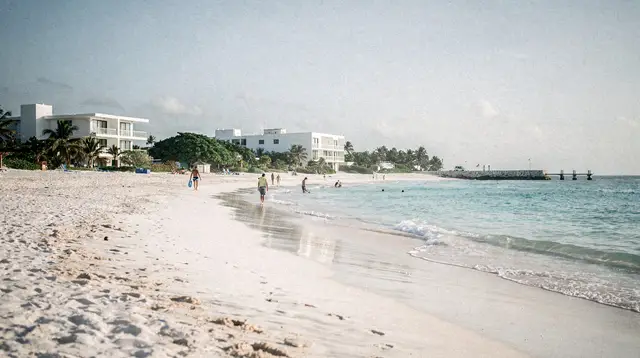
Most families base themselves in the Hotel Zone or in Playa del Carmen, and both put the family cenotes within a short drive. If you are still choosing where to sleep, where to stay in Cancún and the Playa del Carmen destination page will help you decide which base makes the morning easiest. The wider cenotes of the Riviera Maya hub shows how the whole region fits together, and Tulum is worth a look if you plan to pair a cenote with ruins or a beach afternoon. A half-day turtles and cenotes tour is a gentle way to combine them.
Getting around matters more than it seems with children. A rental car gives you freedom to arrive at opening time and leave when the kids tire, and the Cancún car rental guide explains what to check before you book. If you would rather not drive, getting around the Riviera Maya lays out the other options and what to expect from each. For a no-driving option, a Tulum ruins and cenotes day tour bundles transport and stops.
Rainy days, hot days, and flexible plans
Cenotes are outdoor swims, so the weather shapes the day. On a bright, calm morning the water glows and everyone is happy. On a cloudy or cooler day, children get cold quickly and the experience can fall flat, so keep a backup plan such as a beach or a kids’ activity in town. If you are traveling in the wetter months, the best time to visit Cancún page explains how the seasons feel on the ground, and it is worth reading before you lock in a cenote day on a fixed date.
Build slack into the schedule. Kids get hungry, need a bathroom break, or simply decide they are finished after twenty minutes. A relaxed plan that treats the second cenote as optional almost always beats a rigid itinerary, and nobody has to feel they wasted the trip if the second stop never happens.
Cenote etiquette with children
Teach children a few simple habits before you arrive. Shower first when asked, keep voices low so the water stays peaceful for everyone, and never throw things in. Do not touch the formations, plants, or animals, and take all rubbish with you. Cenotes are fragile and in some cases sacred to local Maya communities, a context you can share with older kids through the Maya culture guide. Children who understand why the rules exist tend to follow them without a fight.
Packing a small first-aid and comfort kit
A few small items make a big difference: plasters for scraped toes, a spare set of dry clothes for every child, a hat, and a towel that dries quickly. A change of clothes in the car means a soggy, shivering child is a five-minute problem rather than an afternoon ruined. For a fuller list adapted to the region, see the Cancún packing list, and for general safety context on the area, is Cancún safe is a calm, honest read for nervous parents.
How this fits a wider family trip
A cenote morning pairs naturally with the rest of a Cancún with kids itinerary, and if you’re mapping out a full week, the family 5-day itinerary shows where a cenote morning slots in against beach days and a water park day. If you are torn between a cenote day and a beach day for younger kids, cenotes vs beaches: where to swim breaks down the trade-off in more depth than this page can.
Done this way — open cenotes, life jackets, an early start, and water shoes — a cenote day is the cheapest, most memorable swim your kids will get on the whole trip.
Frequently asked questions about Family-friendly cenotes
What age is safe for cenotes? Most open, shallow cenotes work well from toddler age up, provided a life jacket and constant adult supervision are used. Deep cave cenotes are better saved for older, confident swimmers.
Do family cenotes require a life jacket? Not always mandatory, but strongly recommended for any child who isn’t a strong swimmer. Many family-friendly cenotes rent them on site for around 30-80 MXN, though stock can run out by midday.
Popular Cancún tours on GetYourGuide
Verified deep-linked GetYourGuide tours. Book through these links and we earn a small commission at no cost to you.
These are our own photographs of the area, not the operator's pictures of this tour — open the tour page to see those.